
Data4 vs Pirsch vs Woopra: Which Privacy-Friendly Analytics Tool Fits Your Site?
Choosing between Data4, Pirsch, and Woopra means weighing three different philosophies: lightweight website analytics, architectural privacy, and deep customer journey intelligence. This comparison breaks down where each tool genuinely excels so you can match one to your actual measurement needs — not just the loudest marketing claim.
Quick Verdict: Who Should Choose Which Tool?
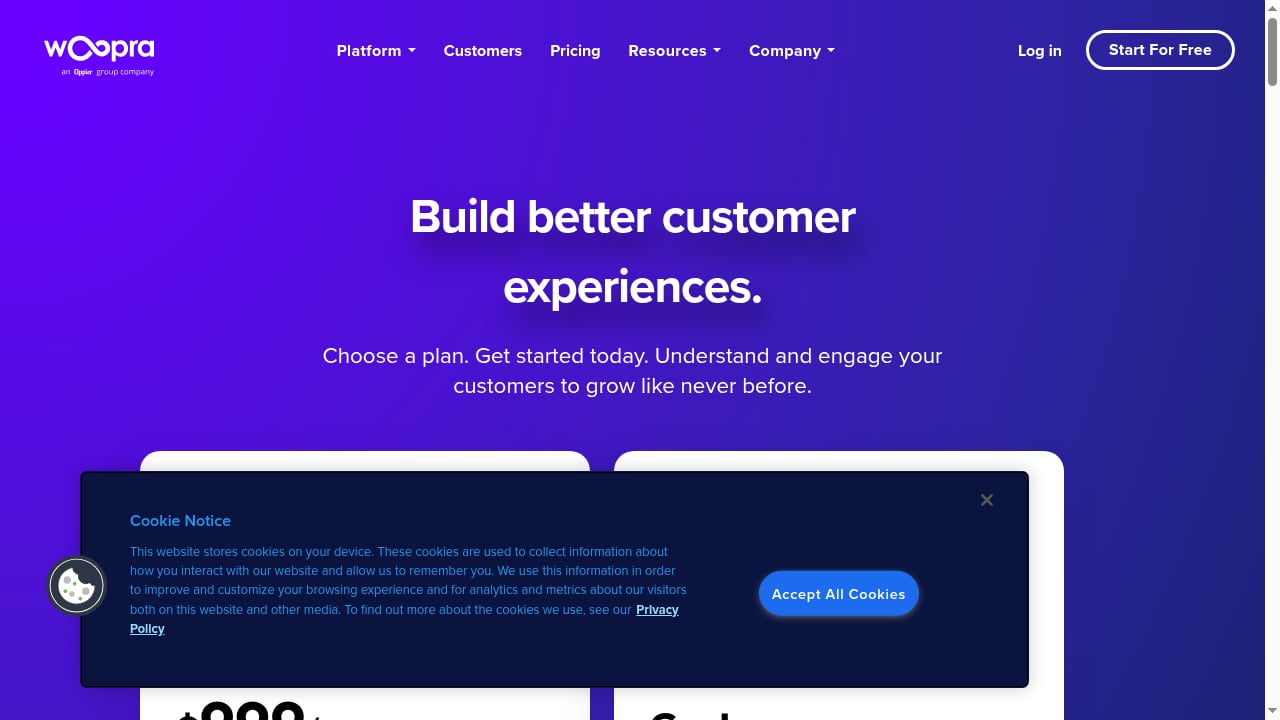
First viewport screenshot of Woopra Pricing that lets you scale | Woopra.
- Choose Data4 if you want a straightforward, privacy-conscious website analytics platform that tracks traffic, audience behavior, and custom reports without a steep learning curve.
- Choose Pirsch if eliminating cookie consent banners and hosting data in Germany are non-negotiable compliance requirements.
- Choose Woopra if you need to unify product, marketing, sales, and support data into end-to-end customer journey intelligence.
What Each Tool Actually Does
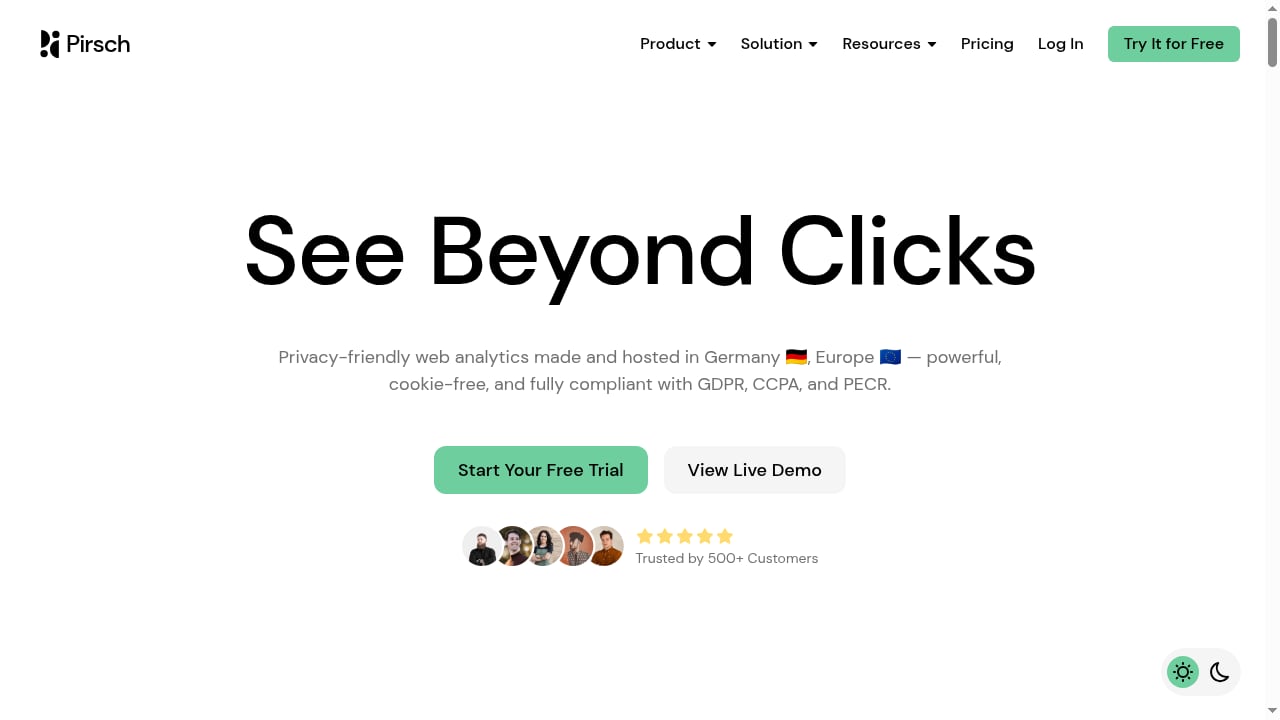
First viewport screenshot of Pirsch – The Best, Privacy-Friendly Google Analytics Alternative.
Data4: Simple Website Analytics Without the Complexity
Data4 is a website analytics platform built for marketers, site owners, and analysts who need clear answers about traffic and visitor behavior. Its core capabilities include real-time traffic tracking, audience analysis, and customizable reporting. The positioning is deliberately lean: monitor visitor behavior, measure traffic sources, and turn website data into actionable insights without the overhead of enterprise-grade tooling.
If your team has ever opened a mainstream analytics dashboard and spent twenty minutes just finding the right report, Data4's efficiency-first design is the appeal. It works as a Google Analytics alternative for organizations that want the essentials done well rather than every possible feature crammed into one interface.
Pirsch: Privacy as Architecture, Not Policy
Pirsch is a privacy-friendly, open-source alternative to Google Analytics. It is lightweight, cookie-free, and integrates easily into any website or app. The critical distinction is that Pirsch identifies visitors through an anonymized hash of IP address and user agent rather than cookies, discarding the source data after the hash is calculated. That architectural choice — not a policy promise — is what allows sites running Pirsch to drop their cookie consent banner while remaining GDPR, CCPA, PECR, and Schrems II compliant.
Pricing starts at $6/month for 10,000 page views across up to 50 sites, with a Plus tier at $12/month that removes the site cap and adds funnels, A/B testing, tag-based segmentation, custom domains, and white labeling. The open-source core lets technical teams audit exactly what is collected. Self-hosting and SAML SSO are reserved for a custom-quoted Enterprise tier. One caveat worth noting: the monthly page view cap counts events and a portion of session extensions, which can bite high-interactivity sites faster than the headline number suggests.
Woopra: Customer Journey Intelligence at Scale
Woopra takes a fundamentally different approach. It is a customer journey intelligence platform that unifies data across product, marketing, sales, and support touchpoints to provide end-to-end visibility into the customer experience. It serves teams across eCommerce, SaaS, finance, gaming, media, mobile, travel, and automotive.
Core use cases include analyzing customer journeys, trends, retention, and segmentation; engaging users in real time with built-in triggers; and syncing existing user data from databases and SaaS services without developer involvement. Key features include custom tracking, 50+ integrations, journey reports, people profiles, trends reports, retention reports, segmentation, triggers, a data loader, AI predictions, AI summaries, and an AI agent for audience insights. Woopra positions itself as an "Agentic Customer Data Platform" and is trusted by over 160,000 customers worldwide. It offers a free 30-day trial, with paid plans starting at $999/month for Pro and custom pricing for Enterprise.
Head-to-Head Comparison
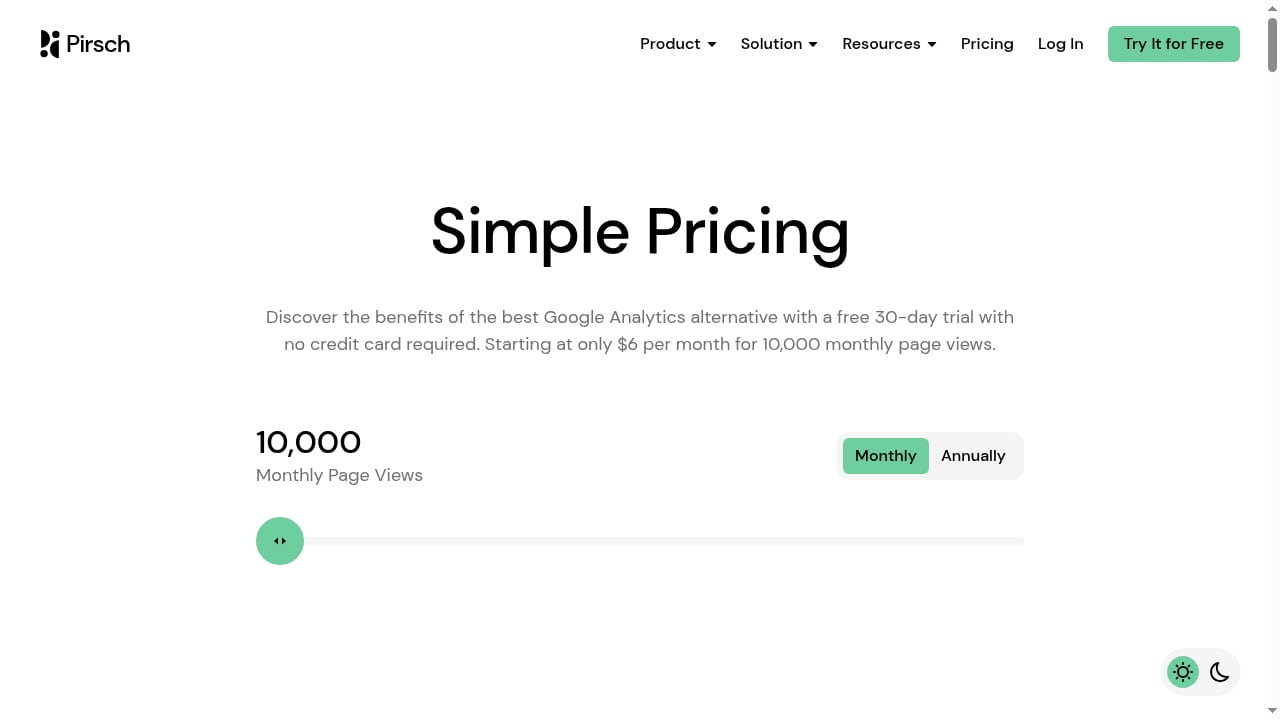
First viewport screenshot of Simple Pricing – Pirsch Analytics.
| Criteria | Data4 | Pirsch | Woopra |
|---|---|---|---|
| Primary focus | Website traffic and audience analytics | Privacy-first web analytics | Customer journey intelligence |
| Cookie-free tracking | Privacy-conscious design | Yes, architectural | Not the core pitch |
| Real-time tracking | Yes | Yes | Yes |
| Custom reporting | Yes | Yes (Plus plan) | Yes |
| Funnels and A/B testing | Not the focus | Yes (Plus plan) | Journey-based analysis |
| White labeling | Not the focus | Yes (Plus plan) | Enterprise options |
| Open source | No | Yes (core) | No |
| Starting price | Not specified here | $6/month | $999/month (Pro) |
| Best for | Simple, efficient website analytics | Compliance-driven privacy | Cross-team journey intelligence |
Where Data4 Wins: Simplicity and Efficiency
Data4's advantage is focus. Where Woopra requires onboarding across multiple data sources and Pirsch's Plus tier layers on funnels and A/B testing, Data4 keeps the core workflow tight: track traffic, understand your audience, build the reports you need.
For a marketing team that wants to know which pages drive engagement, where visitors come from, and how behavior changes over time, this is often enough. The platform is designed for global use and positions itself as a straightforward alternative to mainstream analytics tools — which matters when the alternative is a platform priced at $999/month or a setup that demands developer time.
If you are building a unified customer profile from behavioral data, Data4 can serve as the website analytics layer feeding that effort. See how Customer 360 View: Build It With Website Analytics Data explains that integration pattern.
Where Pirsch Wins: Compliance Without Compromise
Pirsch's strongest argument is that it removes an entire category of legal and UX friction. When visitors deny consent, Google Analytics tags send cookieless pings and Google fills gaps with behavioral and conversion modeling — meaning your data has holes. Pirsch sidesteps this by never setting cookies in the first place.
For agencies managing multiple client properties, the Plus plan's white labeling, custom domains, and unique client access links deliver client-facing dashboards without building a reporting layer on top of another tool. The open-source core also means security teams can verify claims rather than trust them.
The trade-off is depth. Pirsch does not offer machine learning predictions or native Google Ads integration. If your business runs on Google Ads bidding and audiences, you may end up running a privacy-first tool alongside GA4 rather than replacing it entirely.
Where Woopra Wins: End-to-End Journey Visibility
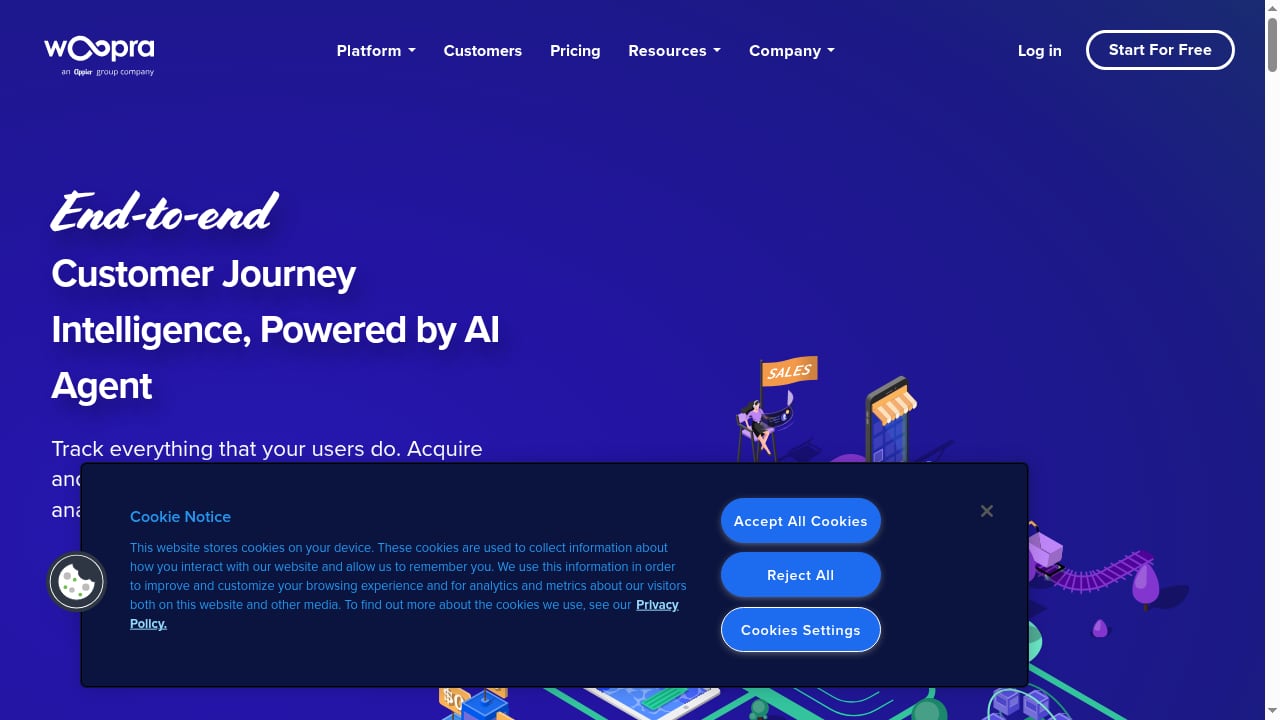
First viewport screenshot of Customer Journey & Product Analytics Software Tool | Woopra.
Woopra's value proposition is breadth of context. Most analytics tools tell you what happened on your website. Woopra connects what happened on your website to what happened in your product, your CRM, your support desk, and your marketing automation — then lets you act on it with real-time triggers.
The data loader is a genuine differentiator: it syncs existing user data from databases and SaaS services without developer involvement. For teams that have customer data scattered across five systems and no unified view, that capability alone can justify the investment. AI predictions, AI summaries, and an AI agent for audience insights push the platform toward proactive rather than reactive analysis.
The cost reflects the scope. At $999/month for Pro, Woopra is built for organizations where customer journey intelligence drives measurable revenue — not for a blogger who wants to know which posts get read.
Decision Framework: Match the Tool to the Job
If your primary need is website traffic and audience analysis: Data4 delivers the essentials efficiently. You get real-time tracking, traffic source measurement, and customizable reporting without enterprise complexity. This is the right fit for marketers and site owners who want answers, not another platform to manage.
If cookie consent compliance is your blocking issue: Pirsch is the architectural answer. At $6–$12/month, the cost is small relative to the value of recovering visibility into visitors who reject cookies. The open-source core and German hosting add verifiable compliance guarantees.
If you need to unify customer data across teams: Woopra is built for exactly this. The 50+ integrations, data loader, and journey reports create a single view of the customer that website-only tools cannot provide. Budget accordingly.
If you need both simplicity and journey context: Many teams run Data4 for website analytics and a separate platform for deeper customer intelligence. The two serve different layers of the measurement stack. For a broader view of how these tools fit into the market, see Top 10 Web Analytics Software Products for 2026.
Related reading
- KISSmetrics Review: Behavioral Analytics Platform in 2026 - Evidence-based KISSmetrics review: people-based tracking, funnels, cohorts, pricing signals, setup effort, limits, and who should choose it in 2026.
Sources and further reading
- Google Analytics 4 vs Pirsch Analytics in 2026: Free ecosystem depth vs cookieless privacy-first simplicity - One is the free default that ships machine learning and a BigQuery export with every property. The other drops cookies and consent banners entirely, starting at $6 a month.
- Best Google Analytics Alternatives in 2026: 7 Tools Compared - Compare Google Analytics 4 alternatives: Plausible, Fathom, Matomo, PostHog, Simple Analytics and Pirsch on privacy, pricing and EU hosting. Updated Oct 2026.
- Home - Analytics Alternatives - Home page rendered by front-page.php
Frequently Asked Questions
Can Data4 replace Google Analytics?
Data4 is positioned as a Google Analytics alternative for teams that need straightforward website analytics — real-time traffic tracking, audience analysis, and customizable reporting. Whether it fully replaces GA4 depends on whether you rely on Google Ads integration, machine learning predictions, or BigQuery exports. For core traffic and behavior measurement, it covers the essentials.
Is Pirsch really cookie-free?
Yes. Pirsch identifies visitors through an anonymized hash of IP address and user agent rather than cookies, discarding the source data after the hash is calculated. This architecture is what allows sites to drop cookie consent banners while remaining compliant with GDPR, CCPA, PECR, and Schrems II.
How does Woopra differ from website analytics tools?
Woopra is a customer journey intelligence platform, not a website analytics tool. It unifies data across product, marketing, sales, and support touchpoints. Where Data4 and Pirsch focus on what happens on your website, Woopra connects that behavior to the broader customer relationship — including data from CRMs, support desks, and SaaS services.
Which tool is best for agencies?
Pirsch's Plus plan at $12/month includes white labeling, custom domains, and unique client access links — features built for agency client reporting. Data4 suits agencies that need efficient website analytics without white-label requirements. Woopra's pricing and scope target larger organizations with dedicated customer intelligence teams.
Can I use more than one of these tools together?
Yes, and many teams do. A common pattern is running Data4 or Pirsch for website analytics while using Woopra for customer journey intelligence. The tools serve different layers: website behavior versus cross-system customer context. For a comparison of privacy-focused alternatives, see Data4 vs Visitors vs Matomo: Best Privacy Analytics?.
Conclusion
Data4, Pirsch, and Woopra are not competing for the same buyer. Data4 wins on simplicity and efficiency for website analytics. Pirsch wins on architectural privacy and compliance without consent banners. Woopra wins on end-to-end customer journey intelligence across teams and systems.
The right choice depends on your actual constraint. If it is complexity, choose Data4. If it is cookie consent, choose Pirsch. If it is fragmented customer data, choose Woopra. For most website owners and marketing teams, the first two cover the need — and both do it at a fraction of the cost of a full customer data platform.
For a deeper look at how privacy-first analytics tools compare across the market, see Data4 vs GoatCounter: Open Source Web Analytics Compared.