
Data4 vs Heap vs Statcounter: Which Analytics Fits?
Choosing a web analytics tool often comes down to a trade-off between simplicity, depth, and cost. Data4, Heap, and Statcounter each approach that trade-off differently: Data4 focuses on straightforward traffic and performance reporting for a global audience, Heap captures every interaction automatically for deeper product analysis, and Statcounter delivers real-time visitor stats with a long-standing free tier.
This comparison walks through setup, reporting depth, privacy, and pricing so you can match the tool to your actual workflow rather than the longest feature list.
Quick comparison at a glance
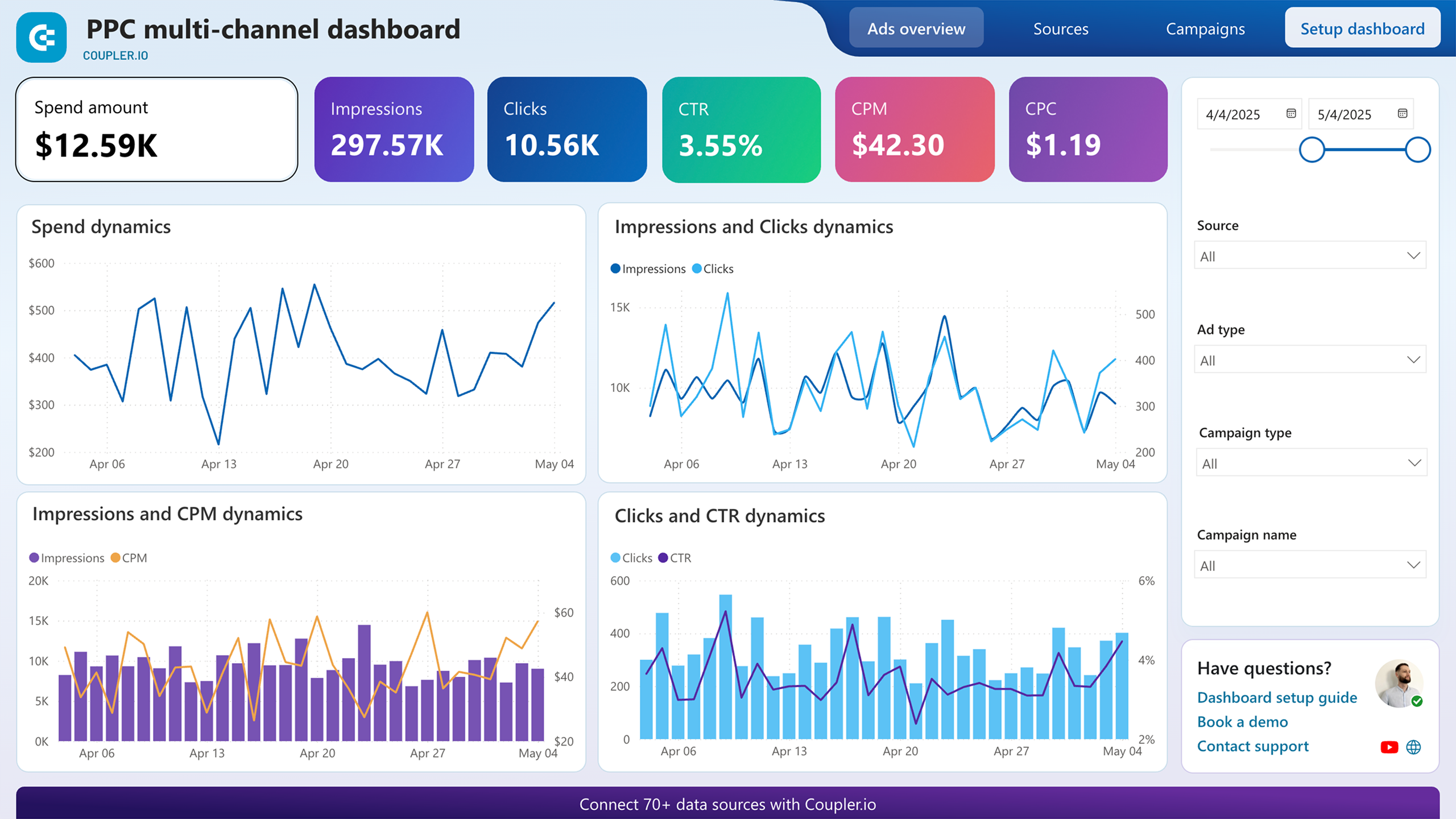
Data4 vs Heap vs Statcounter: Which Analytics Fits? - Quick comparison at a glance.
| Criterion | Data4 | Heap | Statcounter |
|---|---|---|---|
| Primary focus | Website traffic and performance analytics | Digital insights across web, product, and mobile apps | Real-time website traffic and visitor behavior |
| Setup style | Standard tracking snippet | Autocapture with no manual event tagging | Invisible tracker plus configurable hit counter |
| Best for | Website owners, marketers, analysts wanting simple reporting | Product, marketing, and data teams exploring user journeys | Website owners, marketers, and agencies monitoring live traffic |
| Standout capability | Simple, globally applicable reporting with multi-language support | Retroactive analysis, session replay, heatmaps, AI-powered insights | Real-time monitoring, session replay, click fraud detection, UTM tracking |
| Pricing model | Not specified in available context | Not specified in available context | Free tier plus paid plans with session and retention limits |
Setup and time to first insight

Data4 vs Heap vs Statcounter: Which Analytics Fits? - Setup and time to first insight.
Data4
Data4 is designed as a simple, efficient alternative to Google Analytics. You add the tracking code, and the platform begins reporting on traffic, sources, and engagement without a heavy configuration phase. Its multi-domain and multi-language support means teams running sites in more than one market can keep reporting consistent across properties.
Heap
Heap's defining setup advantage is autocapture: it records every user interaction on websites, products, and mobile apps without manual tagging. That means you do not have to predict which events matter before you collect data. If you later realize you needed a specific click or form interaction, the data is already there for retroactive analysis. This is a genuine strength for teams that do not yet know which questions to ask.
Statcounter
Statcounter uses an invisible web tracker and a configurable hit counter. Setup is quick, and the platform is positioned as an easy-to-use alternative to Google Analytics. Because it emphasizes real-time visibility, many users see live visitor activity almost immediately after installing the tracker.
Reporting depth and analysis
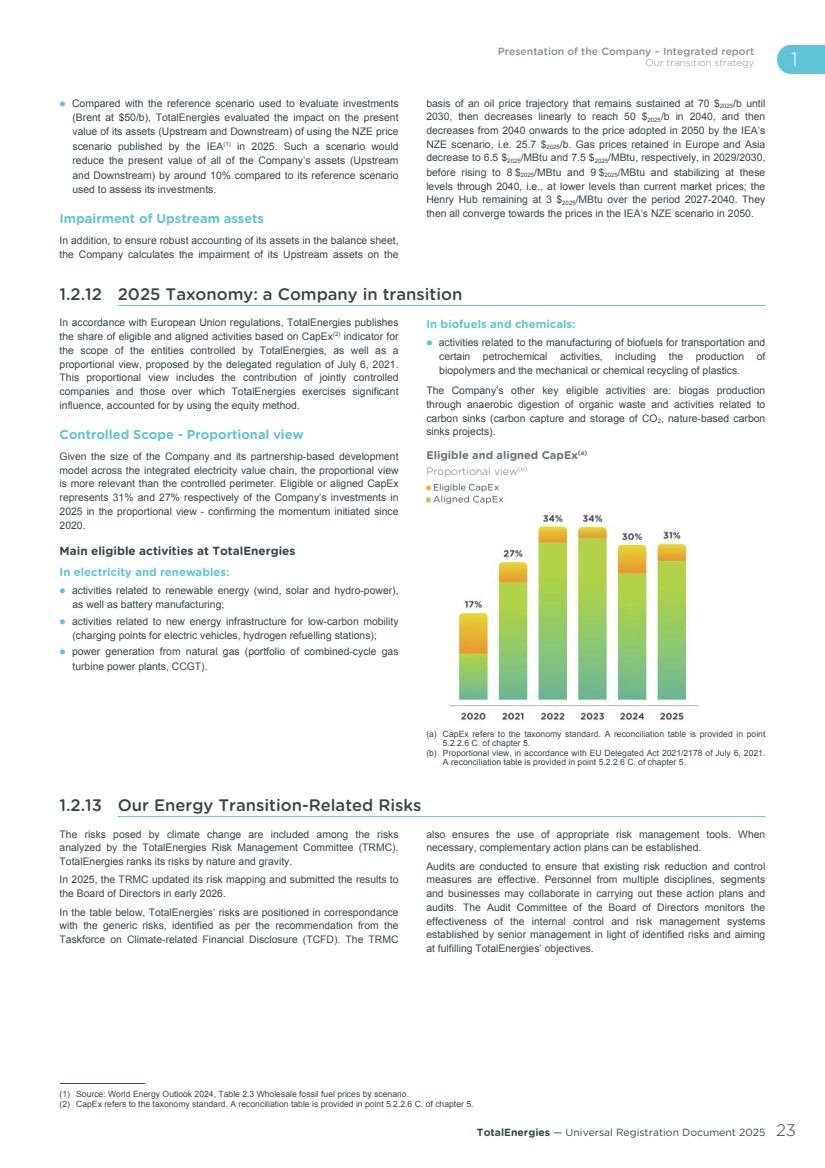
Data4 vs Heap vs Statcounter: Which Analytics Fits? - Reporting depth and analysis.
Data4
Data4 centers on the metrics most website owners actually check: visitor behavior, traffic sources, engagement, and conversion analysis, presented through customizable dashboards. The value is in clarity rather than exhaustive event modeling, which suits marketers and analysts who want answers without building a tracking plan first.
Heap
Heap goes considerably deeper. Autocaptured events feed user journey analysis, conversion and retention reporting, and AI-powered insights through Sense. Session replay and heatmaps let you see behavior rather than infer it. Heap Connect syncs data to a warehouse for teams that want to join analytics data with other business data. Reported outcomes from Heap users include increased adoption, higher conversions, and measurable revenue impact, and the platform has joined forces with Contentsquare to extend its capabilities.
Statcounter
Statcounter covers the operational side of web analytics well: real-time visitor monitoring, session replay, conversion rate tracking, click fraud detection, landing page analysis, and UTM campaign tracking. You can set visitor labels and alerts, filter reports, sync Google keyword data, and manage multiple projects from one account. Email reports and a mobile app make it easy to stay informed without logging in.
If campaign measurement is your priority, it is worth understanding how campaign event tracking fits into whichever tool you choose.
Privacy and data handling

Data4 vs Heap vs Statcounter: Which Analytics Fits? - Privacy and data handling.
All three tools collect visitor data, so the practical question is how much control you need over where that data lives and how long it is retained.
- Statcounter offers a free tier, and its paid plans involve session caps and data retention limits, which directly affect how far back you can analyze. You can also ignore your own visits to keep data accurate.
- Heap captures a broad dataset by design, which is powerful but means you should review what is collected and how it is governed before rolling it out widely.
- Data4 positions itself as a reliable replacement for Google Analytics with global, multi-language availability, which matters for teams operating across regions.
If self-hosting and full data ownership are requirements, compare options in this overview of open source web analytics before committing.
Pricing and total cost
Pricing structures differ enough that the cheapest sticker price is rarely the cheapest total cost.
- Statcounter publishes a free tier plus paid plans. The limits that matter most are session caps and data retention, since these determine when you are forced to upgrade. For a detailed breakdown, see Statcounter pricing explained.
- Heap is an enterprise-oriented digital insights platform. Its depth, including warehouse sync and AI features, typically aligns with larger teams that have budget for a fuller analytics stack.
- Data4 is positioned as a straightforward analytics solution, so evaluate it against the volume of traffic and number of domains you need to cover.
Which tool should you choose?
Choose Data4 if you want simple, efficient website traffic and performance reporting, you operate across multiple domains or languages, and you prefer clarity over deep event modeling.
Choose Heap if you need to understand user journeys across web and product, you want autocapture so nothing is missed, and you have the team capacity to act on session replay, heatmaps, and warehouse-synced data.
Choose Statcounter if real-time visitor monitoring, click fraud detection, and campaign tracking are central to your work, and you want a free tier with a low-friction setup.
A useful test: list the three questions you ask about your website most often. If they are traffic and source questions, Data4 or Statcounter will likely answer them faster. If they are behavior and journey questions, Heap's autocapture will save you from re-instrumenting later. If you are also weighing broader product analytics platforms, this Data4 vs Amplitude vs Woopra comparison covers a different set of trade-offs.
Related reading
- Clicky Alternatives: Best Web Analytics Tools Compared - Compare the best Clicky alternatives for web analytics, including Data4, Matomo, and Google Analytics. Find the right fit for privacy, simplicity, and cost.
- Data4 vs Statcounter vs Matomo: Which Analytics Fits? - Compare Data4, Statcounter, and Matomo on setup, privacy, reporting depth, and pricing to choose the right website analytics tool for your site.
Sources and further reading
- Automatic Binary Dataset Construction for Machine Learning - Binary code is pervasive, and binary analysis is a key task in reverse engineering, malware classification, and vulnerability discovery. Unfortunately, while there exist large corpuses of malicious binaries, obtaining high-quality corpuses of benign binaries for modern systems has proven challenging (e.g., due to licensing issues). Consequently, machine learning based pipelines for binary analysis utilize either costly commercial corpuses (e.g., VirusTotal) or open-source binaries (e.g., coreutils) available in limited quantities. To address these issues, we present Assemblage: an extensible cloud-based distributed system that crawls, configures, and builds Windows PE binaries to obtain high-quality binary corpuses suitable for training state-of-the-art models in binary analysis. We have run Assemblage on AWS over the past year, producing 890k Windows PE and 428k Linux ELF binaries across 29 configurations. Assemblage is designed to be both reproducible and extensible, enabling users to publish "recipes" for their datasets, and facilitating the extraction of a wide array of features. We evaluated Assemblage by using its data to train modern learning-based pipelines for compiler provenance and binary function similarity. Our results illustrate the practical need for robust corpuses of high-quality Windows PE binaries in training modern learning-based binary analyses.
- Trends – Artificial Intelligence (AI) - BOND - May 30, 2025 ... Source: Statcounter (2/25), Google (5/25), Meta 10Q (4/25), Apple ... while Databricks is infusing GenAI into its data and developer stack.
- Automatic Binary Dataset Construction for Machine Learning - arXiv - Nov 2, 2024 ... For example, in 2017 Visual Studio implemented stack-based buffer protection by inserting security cookies, and we can locate more than 744k __ ...
Frequently asked questions
Is Data4 a good replacement for Google Analytics?
Data4 is positioned as a Google Analytics alternative with a focus on simplicity, ease of use, and actionable insights. It suits teams that found Google Analytics more complex than they needed.
Does Heap require manual event tracking?
No. Heap autocaptures every user interaction on websites, products, and mobile apps, so you can analyze events retroactively without pre-defining them.
Is Statcounter free?
Statcounter offers a free tier alongside paid plans. Paid tiers introduce session caps and data retention limits, so check those thresholds against your traffic volume.
Can I use more than one analytics tool at once?
Yes, and many teams do. A common pattern is a lightweight traffic tool for daily monitoring plus a deeper platform for product and journey analysis.
Which tool is best for campaign tracking?
Statcounter includes UTM campaign tracking and Google Ads integration, while Data4 covers traffic sources and conversion analysis. Heap focuses more on in-product behavior than campaign attribution.
Conclusion
Data4, Heap, and Statcounter are not really competing for the same job. Data4 is the straightforward choice for website traffic and performance reporting across multiple domains and languages. Heap is the deeper choice when you need to understand user journeys and cannot afford to miss an interaction. Statcounter is the practical choice for real-time monitoring, campaign tracking, and fraud detection with a free starting point.
Match the tool to the questions you actually ask, and you will spend less time configuring analytics and more time acting on it.