
HIPAA-Compliant Analytics Suite: A Practical Guide for Healthcare Teams
Selecting a HIPAA-compliant analytics suite isn’t just a technical checkbox—it’s a foundational decision that affects patient trust, legal exposure, and the quality of digital care you can deliver. Since the U.S. Department of Health and Human Services clarified that IP addresses qualify as Protected Health Information (PHI), many healthcare organizations have disabled standard analytics tools out of caution. The good news is that a new generation of privacy-first platforms has emerged, each taking a different approach to balancing compliance with actionable insight.
This guide breaks down what a HIPAA-compliant analytics suite actually requires, compares the leading platforms, and helps you match a solution to your organization’s size, technical resources, and reporting needs.
What Makes an Analytics Suite HIPAA-Compliant?
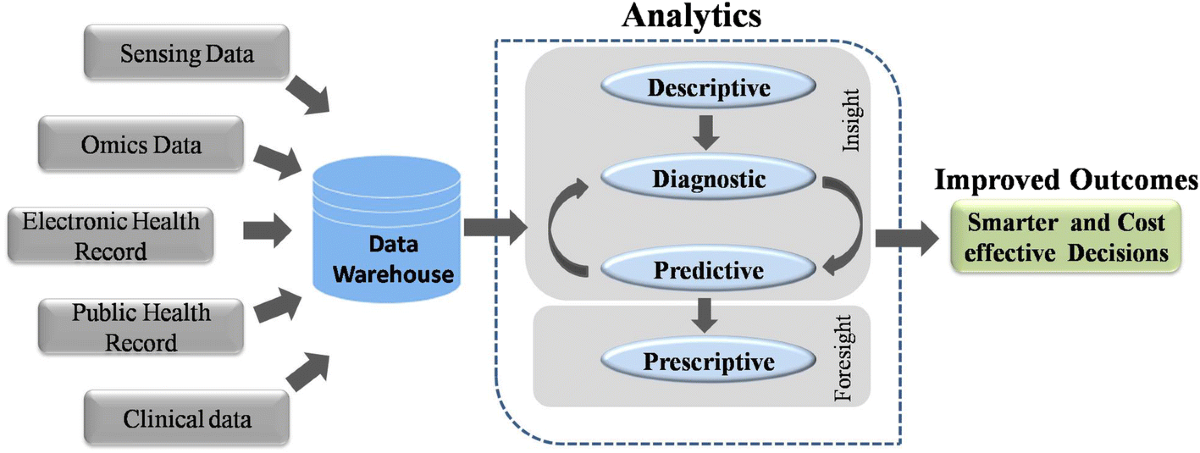
HIPAA-Compliant Analytics Suite: How to Choose in 2026 - Where Simpler Analytics Fits: The Data4 Perspective.
Before evaluating vendors, it’s essential to understand the non-negotiable components that transform a general analytics tool into a HIPAA-compliant suite.
1. The Business Associate Agreement (BAA)
A BAA is a legally binding contract between a covered entity (your healthcare organization) and a vendor that handles PHI. Without a signed BAA, no analytics platform can be considered HIPAA-compliant, regardless of its technical safeguards. Some vendors offer BAAs only on enterprise plans, while others bake them into all tiers. Always confirm BAA availability in writing before committing.
2. Data Encryption and Access Controls
PHI must be encrypted both in transit (TLS 1.2 or higher) and at rest (AES-256 is standard). Role-based access controls, multi-factor authentication, and detailed audit logs ensure that only authorized personnel can view or manipulate sensitive data. Platforms that offer private cloud or on-premise hosting give you additional control over the physical location of your data.
3. PHI Stripping and Anonymization
Some suites take a preventive approach by stripping PHI before it ever enters the analytics database. Techniques include IP masking, cryptographic hashing of identifiers, and automatic redaction of form fields that may contain health information. This reduces the compliance surface area while still delivering useful traffic and engagement metrics.
4. Server-Side Data Control
Client-side tracking sends data directly from a user’s browser to a third-party server, increasing the risk of inadvertent PHI exposure. Server-side tagging, by contrast, routes data through a HIPAA-compliant environment you control before forwarding sanitized information to analytics endpoints. This architecture has become a cornerstone of modern healthcare analytics stacks.
Key Players in the HIPAA-Compliant Analytics Landscape
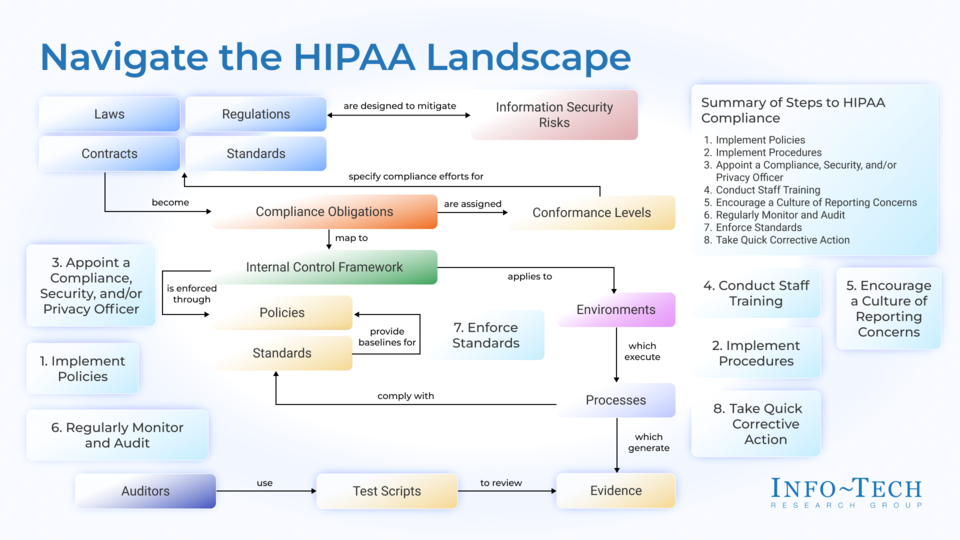
HIPAA-Compliant Analytics Suite: How to Choose in 2026 - Key Players in the HIPAA-Compliant Analytics Landscape.
The market has matured significantly. Below is a comparison of platforms that explicitly support HIPAA compliance through BAAs, hosting options, and privacy controls.
| Platform | BAA Available | Hosting Options | Best For |
|---|---|---|---|
| Piwik PRO | Yes (all plans) | Private cloud, on-premise | Organizations wanting a full GA4-like suite with a tag manager and consent tool |
| Freshpaint | Yes | Cloud (healthcare-focused) | Teams that want to keep using Google Analytics or ad platforms safely |
| Heap | Yes (enterprise only) | Cloud | Healthcare SaaS teams needing autocapture and deep journey analysis |
| Mixpanel | Yes (enterprise only) | Cloud | Product teams focused on event-based behavioral analytics |
| Matomo | Self-hosted only (no BAA) | On-premise, private cloud | Technically capable teams that want full data ownership |
| Amplitude | Yes (enterprise only) | Cloud | Large enterprises needing predictive analytics and growth experiments |
Piwik PRO: The Full-Stack Contender
Piwik PRO offers the most complete out-of-the-box HIPAA-compliant suite. It includes analytics, a tag manager, a consent manager, and a customer data platform—all under a single BAA. Its interface closely resembles Universal Analytics, which flattens the learning curve for teams migrating from Google’s ecosystem. Private cloud and on-premise hosting are available, making it suitable for organizations with strict data residency requirements.
Freshpaint: The Healthcare Privacy Layer
Freshpaint takes a fundamentally different approach. Instead of replacing your analytics stack, it sits in front of it. The platform intercepts tracking data, de-identifies PHI using IP masking and its “PHI Guard” technology, and only then forwards clean data to Google Analytics, Meta Ads, or other destinations. This lets healthcare marketers retain familiar tools while achieving compliance—though the architecture adds complexity and cost.
Heap and Mixpanel: Behavioral Depth with Compliance Guardrails
Both Heap and Mixpanel excel at behavioral analytics. Heap’s autocapture automatically records every click, swipe, and form interaction, letting teams retroactively define events without re-tagging. Mixpanel’s strength lies in event-based segmentation and retention analysis. HIPAA compliance is gated behind enterprise plans for both, and implementation requires careful configuration to prevent PHI from entering the system.
Matomo: The Self-Hosted Route
Matomo is unique in that it does not sign BAAs. HIPAA compliance is only achievable when you self-host the platform on your own infrastructure, where you assume full responsibility for security, encryption, and access controls. For organizations with a mature DevOps team and a preference for open-source software, this can be a cost-effective path—but it shifts the compliance burden squarely onto your shoulders.
Where Simpler Analytics Fits: The Data4 Perspective
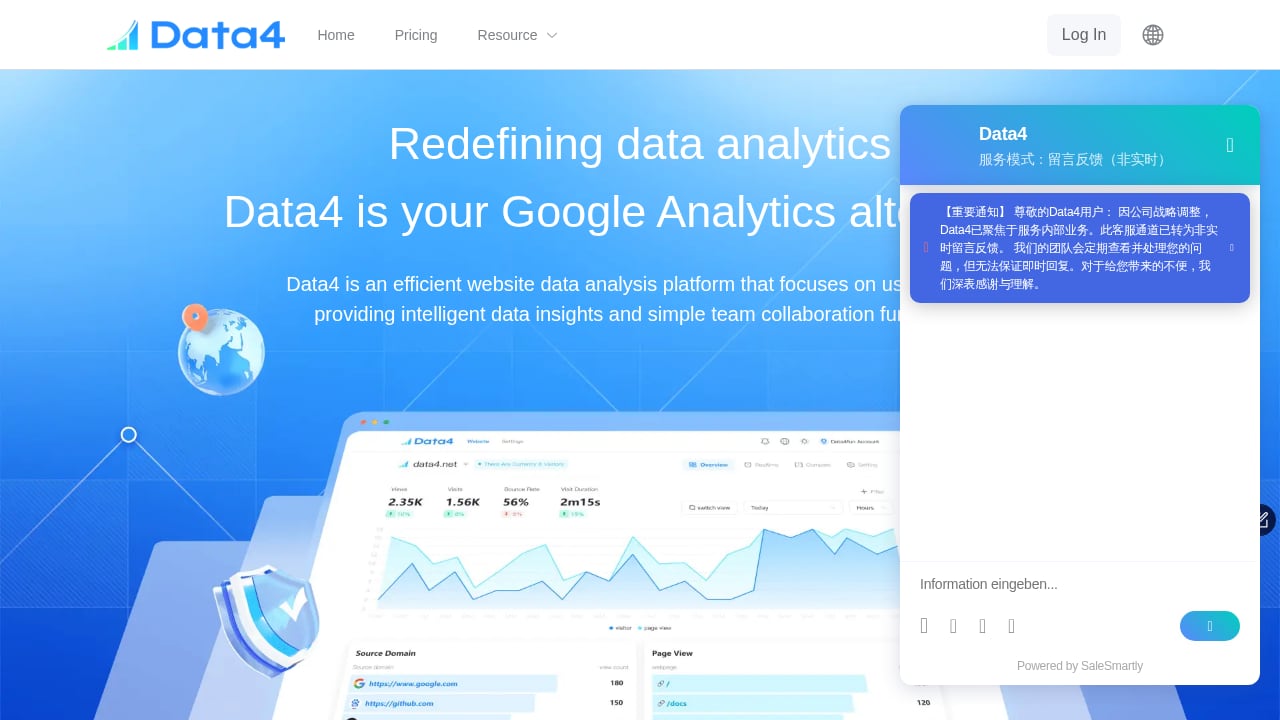
First viewport screenshot of www.data4.cloud.
Not every healthcare organization needs a heavyweight suite. For clinics, private practices, and smaller health-tech startups, the complexity and cost of enterprise platforms can be overwhelming. This is where a streamlined, privacy-conscious analytics tool like Data4 becomes relevant.
Data4 is a website analytics platform built for simplicity and global applicability. While it is not positioned as a dedicated HIPAA-compliant suite that signs BAAs, it fits neatly into a broader compliance strategy when used thoughtfully. Because Data4 emphasizes ease of use, real-time traffic tracking, and audience segmentation without the bloat of traditional tools, many healthcare-adjacent businesses use it as their primary analytics layer for non-PHI data.
Consider a common scenario: a health blog or telemedicine marketing site that publishes educational content, appointment scheduling information, and provider bios. The site contains no authenticated patient portals, no treatment forms, and no PHI. In this context, a full HIPAA-compliant suite may be overkill. Data4 provides the essential metrics—traffic sources, page performance, visitor geography—without introducing unnecessary complexity. Its multi-language support and straightforward dashboards make it especially useful for organizations serving diverse patient populations.
For environments where PHI is present, Data4 can still play a role in a segmented analytics architecture. By deploying a server-side PHI-stripping layer (similar to the Freshpaint model) that routes only de-identified, aggregate data to Data4, you maintain compliance while gaining clean, actionable insights. This hybrid approach combines the simplicity of Data4 with the rigor of a dedicated compliance gateway.
If you’re evaluating how Data4 stacks up against more complex platforms, our Data4 vs PostHog comparison explains why marketers often prefer Data4’s simplicity over developer-heavy tooling. For a broader look at the landscape, see our Top 10 Website Analytics Platforms 2026 review.
How to Choose the Right Approach for Your Organization
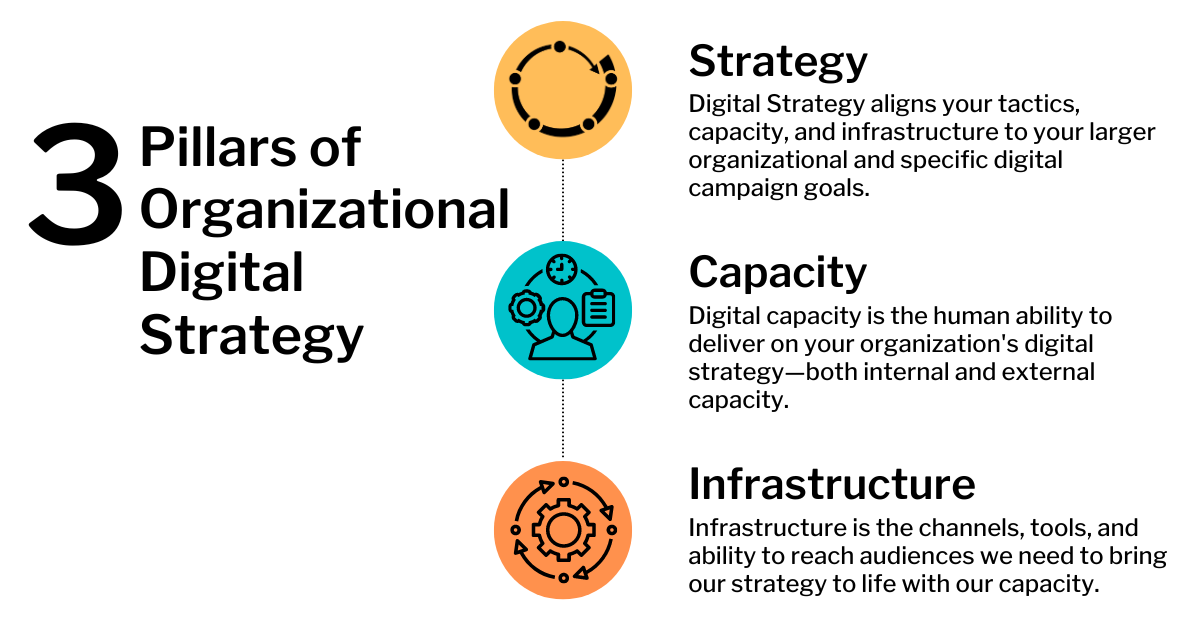
HIPAA-Compliant Analytics Suite: How to Choose in 2026 - How to Choose the Right Approach for Your Organization.
Your decision should be driven by three factors: the presence of PHI on your digital properties, your team’s technical capacity, and your budget.
Decision Framework
- Does your website collect or display PHI? If yes, you need a platform that signs a BAA or a self-hosted solution where you control the environment. If no, a privacy-respecting but non-BAA tool like Data4 may be sufficient.
- What is your team’s technical maturity? Self-hosting Matomo or configuring server-side Google Analytics requires significant engineering resources. Piwik PRO and Freshpaint reduce that burden but come with higher price tags.
- What reporting depth do you need? If your primary goal is understanding content performance and traffic trends, a simpler platform saves time and money. If you need funnel analysis, user journey mapping, and retention cohorts, invest in Heap, Mixpanel, or Amplitude.
- What is your budget reality? As noted in industry discussions, enterprise HIPAA-compliant analytics often starts around $18,000 annually due to the liability insurance premiums baked into pricing. If that exceeds your budget, a layered approach—combining a lightweight analytics tool with a compliance middleware—can be a pragmatic alternative.
Common Pitfalls to Avoid
- Assuming all enterprise plans include a BAA. Always verify. Some platforms only offer BAAs as a paid add-on or under specific conditions.
- Overlooking form data. Contact forms, appointment request fields, and chatbot transcripts can inadvertently capture PHI. Ensure your analytics configuration redacts or excludes these inputs.
- Ignoring ad platform integrations. If you use Google Ads or Meta Ads, your analytics data may flow into those ecosystems. A HIPAA-compliant analytics suite must control that pipeline, either through native safeguards or a middleware layer like Freshpaint.
- Treating compliance as a one-time setup. HIPAA requires ongoing risk assessments, access reviews, and audit log monitoring. Choose a platform that supports these operational workflows.
Related reading
- Data4 vs Heap vs Clicky: Which Analytics Fits You? - Compare Data4, Heap, and Clicky on simplicity, autocapture, and real-time privacy. Find the best website analytics platform for your business needs.
- Statcounter Review: Is It Still a Smart GA4 Alternative in 2026? - Read our evidence-based Statcounter review covering real-time visitor tracking, session replay, pricing, and how it stacks up against Google Analytics for small businesses.
Sources and further reading
- The comparison of 9 HIPAA-compliant web analytics platforms - Compare the main features of Piwik PRO, Freshpaint, Matomo, Mixpanel, Amplitude, Heap, Tealium, Adobe CJA and Piano Analytics.
- HIPAA-Compliant Analytics Approaches | Voice of Reason - Need a HIPAA-compliant alternative to Google Analytics? These five analytics platforms that protect patient data while delivering essential insights.
- Anyone know of an affordable HIPAA-compliant web analytics solution? : r/agency - OP, there's not really going to be a cheaper option due to the BAA signing as you mentioned. You'll see this $18K number pop up a lot because it's pretty much the cost of the premiums for liability insurance. I work with several multi-billion dollar health orgs on the west coast and most are just killing analytics completely to avoid any potential issue.
FAQ
Can I make Google Analytics HIPAA-compliant?
Not directly. Google does not sign a BAA for Google Analytics. However, you can use a middleware service like Freshpaint or implement server-side tagging in a HIPAA-compliant cloud environment to strip PHI before data reaches GA4.
Is Matomo HIPAA-compliant?
Matomo can be HIPAA-compliant only when self-hosted on your own infrastructure, because the company does not sign BAAs. You assume full responsibility for server security, encryption, and access controls.
What is the most affordable HIPAA-compliant analytics suite?
Piwik PRO offers a free plan (with limitations) and paid tiers that include a BAA, making it one of the more accessible full-suite options. Self-hosted Matomo can also be cost-effective if you have existing server infrastructure and technical staff.
Do I need a HIPAA-compliant analytics suite if my website only has a contact form?
If the contact form could reasonably collect health information (e.g., appointment requests, symptom descriptions), then yes—the data qualifies as PHI, and your analytics tool must be compliant. If the form is strictly for newsletter signups with no health context, the risk is lower, but consult your compliance officer.
How does Data4 fit into a HIPAA-compliant analytics stack?
Data4 is ideal for healthcare marketing sites and content platforms that do not handle PHI. For PHI-heavy environments, it can serve as the downstream analytics layer after a compliance gateway strips protected data. Its simplicity and multi-language support make it a strong choice for global health organizations. For a deeper dive into how Data4 compares with privacy-focused alternatives, read our Data4 vs Piwik PRO vs Google Analytics analysis.
Conclusion
A HIPAA-compliant analytics suite is not a single product but a carefully assembled capability that combines legal agreements, technical safeguards, and operational discipline. Platforms like Piwik PRO, Freshpaint, and Heap offer robust, BAA-backed solutions for organizations that handle PHI directly. For simpler use cases, a privacy-first tool like Data4 provides the clarity you need without the overhead you don’t.
The right choice balances compliance rigor with practical usability. Start by mapping where PHI exists in your digital ecosystem, then match a platform—or a combination of platforms—to that reality. In a regulatory environment where patient data protection is paramount, a thoughtful analytics strategy is one of the smartest investments a healthcare organization can make.