
Similarweb Review 2026: Pricing, Features, and Who Should Use It
Similarweb has become one of the most recognized names in digital intelligence, but recognition does not always equal fit. Teams evaluating it usually ask the same questions: How accurate is the data? What does it actually cost? Is it worth it for a small team, or is it built for enterprise budgets? This review answers those questions with a practical, evidence-based look at the platform's strengths, limitations, pricing signals, setup process, and the scenarios where it genuinely earns its place in a marketing stack.
What Is Similarweb?
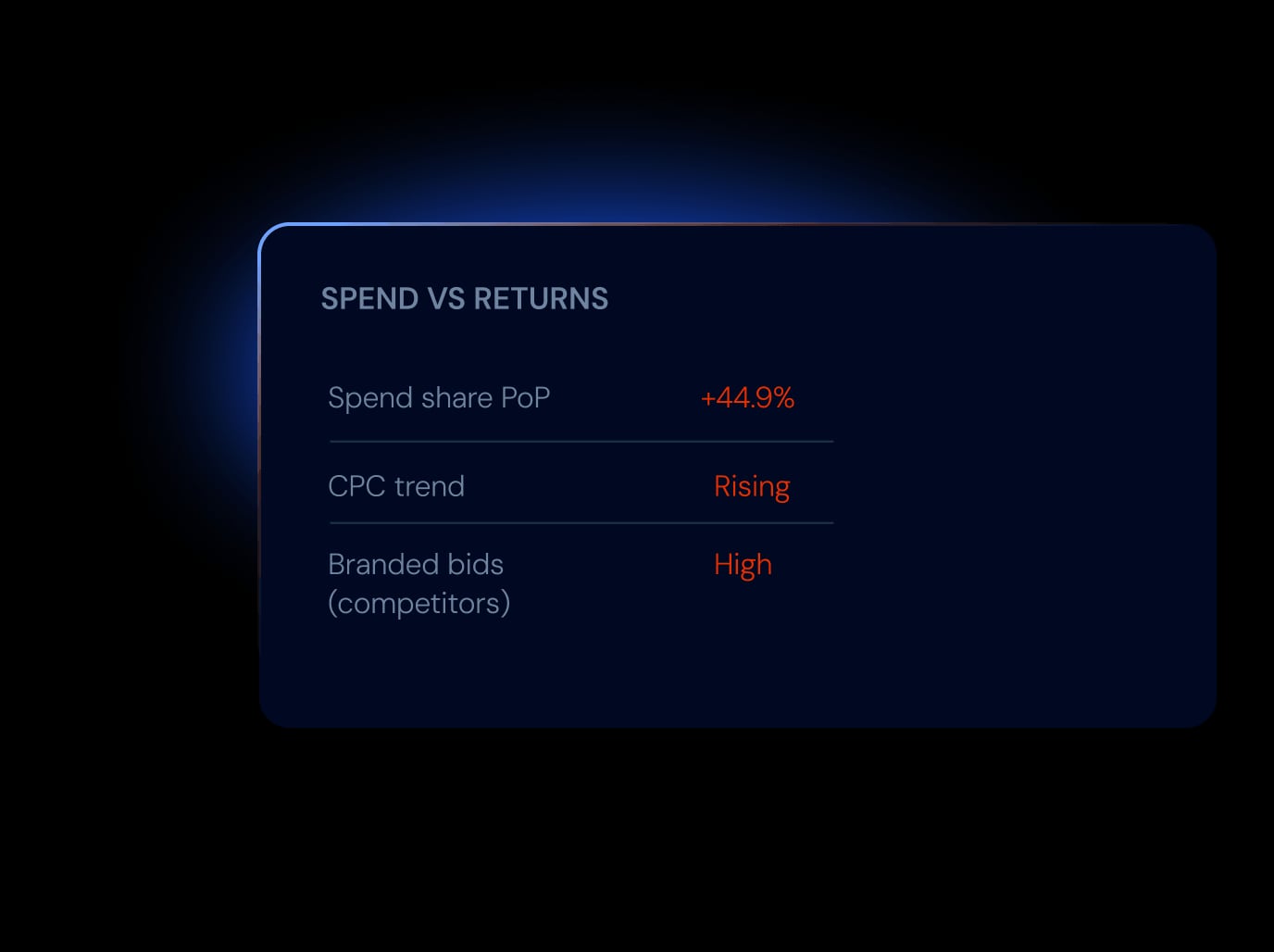
Similarweb product interface.
Similarweb is an AI-powered digital intelligence platform that provides competitive insights, market analytics, and consumer trend data across web, app, and AI search channels. Rather than only measuring your own website, it focuses on the broader digital landscape: how competitors generate traffic, which channels drive their growth, what keywords they rank for, and how users move between sites and apps.
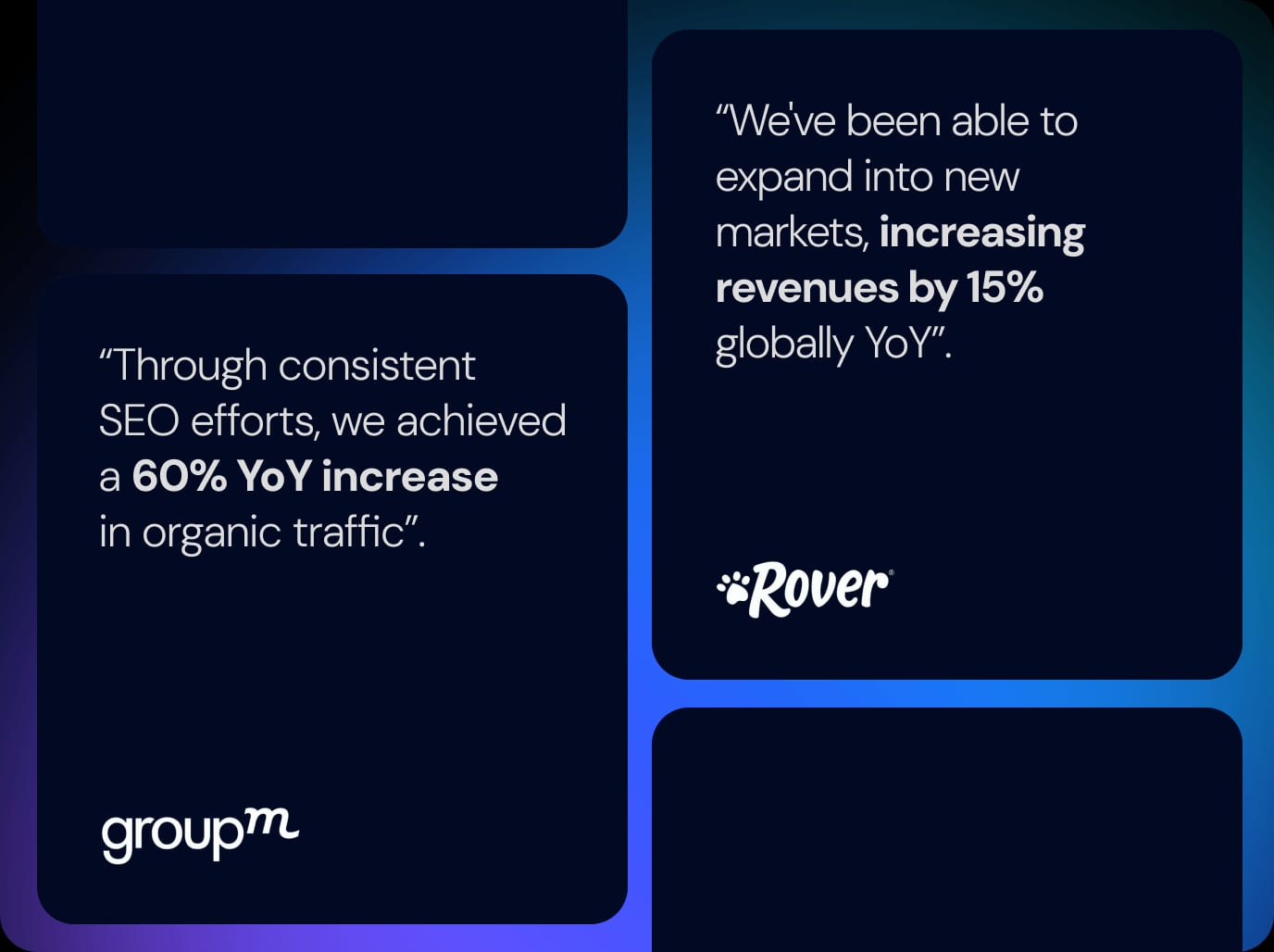
The platform is built around what Similarweb calls the Triple Effect: traffic, visibility, and efficiency. In practice, that means users can benchmark their own performance against competitors, identify visibility gaps, and prioritize actions that improve return on investment. Similarweb reports customer outcomes such as a 30% traffic increase paired with a 20% budget reduction, and a 167% year-over-year revenue lift for one SEO client.
Who Is Similarweb For?
Similarweb product interface.
Similarweb is not a one-size-fits-all tool. It is most valuable for roles and teams that need to understand markets and competitors at scale.
Marketing Leaders and Growth Teams
Marketing executives use Similarweb to answer strategic questions: Which channels are growing in our category? Which competitors are taking share? Where should we allocate budget next quarter? The platform's market-level dashboards make it possible to see category trends without manually stitching together dozens of spreadsheets.
SEO Specialists
SEO practitioners use Similarweb to uncover competitor keyword strategies, identify content gaps, and benchmark organic visibility. The platform's SEO tools complement traditional rank trackers by showing the competitive context around rankings, not just your own position changes.
Ecommerce and Retail Teams
Retail and Amazon analytics are a core part of Similarweb's offering. Ecommerce professionals can track category demand, analyze product performance, and monitor competitor pricing and assortment strategies. For brands selling on Amazon, the retail intelligence module provides visibility into marketplace dynamics that are otherwise difficult to access.
App Marketers and Product Teams
App intelligence is another distinct module. Teams can benchmark app downloads, engagement, and audience overlap against competitors. This is especially useful for mobile-first companies that need to understand how their app performs relative to direct rivals.
Who Should Look Elsewhere
Small businesses, solo consultants, and teams with limited budgets may find Similarweb's entry point manageable but its most valuable features locked behind higher tiers. If your primary need is first-party analytics for your own website, a privacy-friendly tool like Piwik PRO or a lightweight option such as Data4 vs Simple Analytics may be a better fit. Similarweb shines when competitive and market context matters as much as your own data.
Core Features and Use Cases
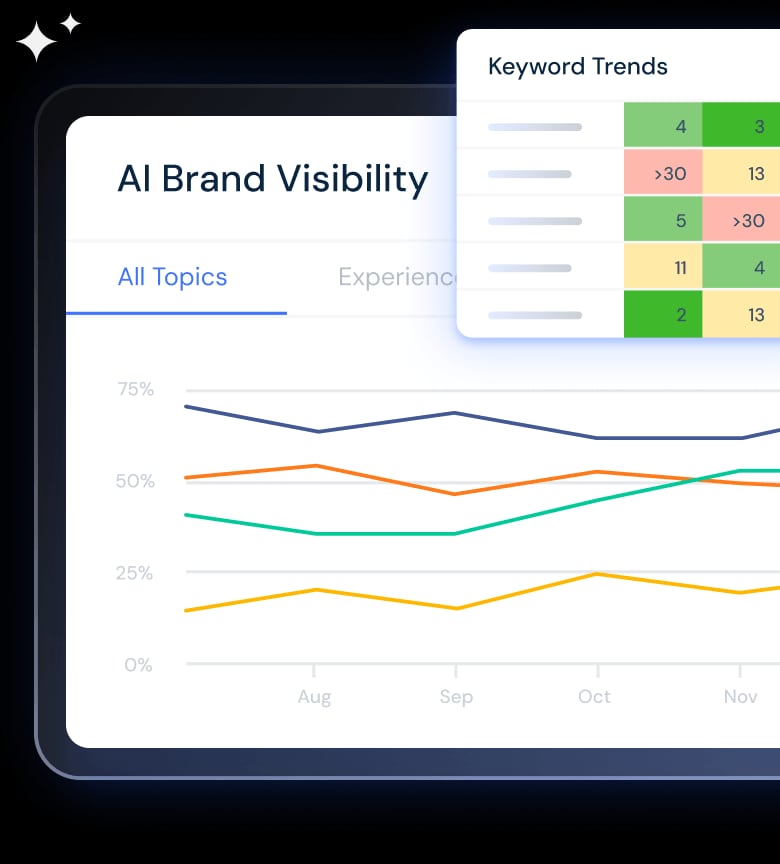
SEO and AEO AI brand visibility dashboard.
Website Analytics and Competitive Benchmarking
Similarweb's website analytics module lets you analyze any domain's traffic, engagement, and channel mix. You can compare up to several sites side by side, view traffic trends over time, and identify which channels—search, social, referral, display, or direct—drive the most visits for competitors.
A practical example: a B2B SaaS company notices a competitor's traffic jumped 40% quarter over quarter. Using Similarweb, the team discovers the growth came primarily from paid search on a specific set of high-intent keywords. That insight directly informs their own bidding strategy.
SEO and AI Engine Optimization
Similarweb has expanded beyond traditional search to include AI engine optimization, sometimes called AEO. As more users get answers from AI assistants and generative search experiences, Similarweb tracks how brands appear in those environments. This is a meaningful differentiator because most legacy SEO tools still focus exclusively on classic search engine results pages.
The SEO module includes keyword analysis, competitor keyword gap identification, and visibility tracking. Users can see which keywords competitors rank for, estimate the traffic value of those rankings, and prioritize content investments accordingly.
App Intelligence
The app intelligence module covers download estimates, engagement metrics, audience demographics, and cross-app usage patterns. Mobile product teams can benchmark against competitors and identify opportunities in app store categories. For companies with both web and app presence, the combined view is particularly valuable.
Retail and Amazon Analytics
Retail intelligence provides category-level demand data, product performance benchmarks, and competitive assortment analysis. Amazon-specific analytics help sellers understand search trends within the marketplace, monitor competitor pricing, and identify product opportunities. This module is distinct enough that Similarweb offers it as a separate package rather than bundling it into the base web intelligence plan.
AI-Powered Recommendations
Similarweb increasingly positions its AI capabilities as a differentiator. Beyond raw data, the platform surfaces recommendations: which keywords to target, which channels to invest in, which competitor moves deserve attention. For teams without dedicated data analysts, these recommendations can shorten the path from insight to action.
Pricing Signals: What to Expect
Similarweb's public pricing starts at $125 per month for web intelligence. That entry point is competitive with mid-tier SEO tools, but it is important to understand what that price includes and what it does not.
The Tiered Structure
Similarweb organizes pricing around specialized packages:
- Web intelligence starts at $125 per month and covers website analytics, competitive benchmarking, and core SEO features.
- AI search intelligence is a separate package focused on visibility in AI-powered search environments.
- App intelligence is priced separately for mobile and app store analytics.
- Retail and Amazon intelligence is another specialized package for ecommerce and marketplace analysis.
This modular approach means the total cost depends heavily on how many modules you need. A team wanting web, app, and retail intelligence will pay significantly more than the $125 entry point.
What the Entry Price Does Not Include
Based on the platform's structure, the $125 plan is best understood as a starting point for web-focused competitive analysis. Historical data depth, API access, advanced AI recommendations, and multi-module coverage typically require higher tiers or custom enterprise agreements. Similarweb does not publish full enterprise pricing, so teams should expect a sales conversation for comprehensive access.
Budget Reality Check
For a small marketing team, $125 per month is reasonable if competitive web intelligence is a core need. For a mid-market company needing app and retail data, the total investment can easily reach four figures monthly. Before committing, clarify exactly which modules, data history, and user seats are included in any quote.
Setup and Onboarding Experience
Similarweb is a SaaS platform, so there is no infrastructure to install. Setup involves creating an account, selecting a plan, and configuring your competitive set and tracked domains.
Initial Configuration
The first meaningful step is defining your competitive set. Similarweb's value depends heavily on comparing the right domains. Marketing teams should involve stakeholders early to agree on which competitors matter most, because changing the competitive set later can shift the insights you see.
Learning Curve
User reviews on platforms like G2 consistently describe Similarweb as intuitive and easy to navigate. The dashboard is clean, and most core reports are accessible without extensive training. However, the platform's depth means new users often underutilize advanced features. Teams that invest in onboarding sessions or explore the AI-powered recommendations tend to extract more value than those who rely on surface-level dashboards alone.
Data Familiarization
One practical step during setup is calibrating expectations around data accuracy. Similarweb's estimates are based on panels, partnerships, and modeling. They are directionally reliable for large sites and high-traffic categories but less precise for small or niche domains. Comparing Similarweb's estimates against your own first-party analytics for your own site is a useful calibration exercise before trusting competitor estimates.
Strengths: Where Similarweb Excels
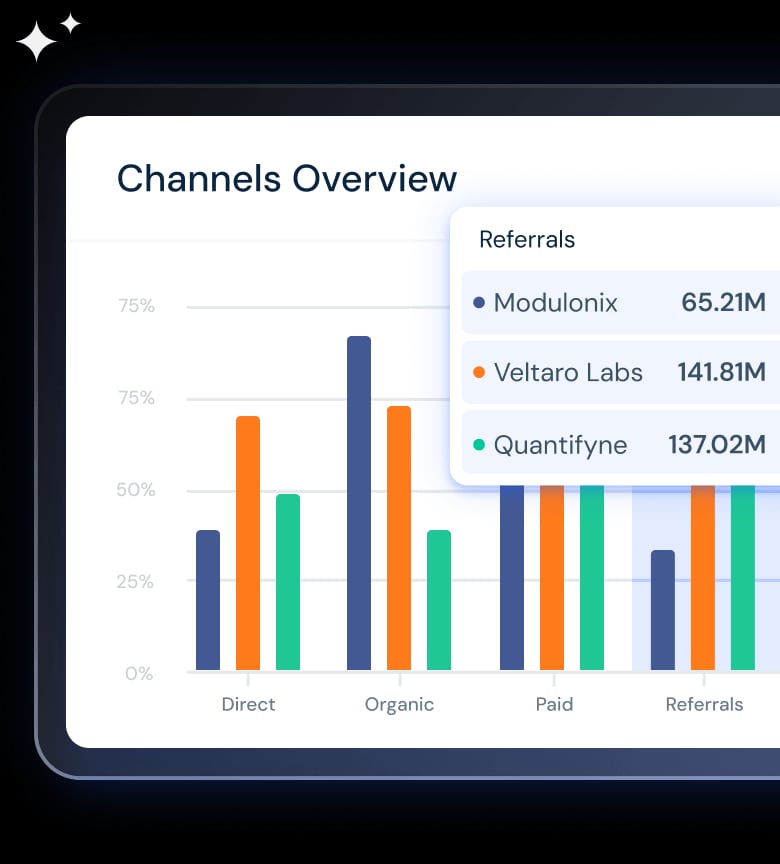
Digital marketing competitive analysis dashboard.
Breadth of Digital Coverage
Few platforms cover web, app, and AI search in a single interface. For teams that need a holistic view of digital performance, Similarweb reduces the need to stitch together multiple tools. The Triple Effect framing—traffic, visibility, efficiency—reflects a genuinely integrated approach rather than a collection of disconnected modules.
Competitive Context
Similarweb's core differentiator is competitive context. First-party analytics tools tell you what happened on your own site. Similarweb tells you what happened in your market. For strategic decisions like budget allocation, market entry, or competitive response, that context is invaluable.
AI Search Visibility
The addition of AI engine optimization addresses a growing blind spot in digital marketing. As AI assistants change how users discover brands, tools that track visibility in those environments will become increasingly important. Similarweb's early investment here is a meaningful advantage.
Ease of Use
Across user reviews on G2 and Trustpilot, ease of use is a recurring theme. The platform is described as clean, intuitive, and accessible even for non-analysts. This matters because competitive intelligence tools often fail when they require specialized data science skills to interpret.
Limitations: Where Similarweb Falls Short
Data Accuracy for Small Sites
Similarweb's estimates are strongest for high-traffic websites and mainstream categories. For small blogs, niche B2B sites, or local businesses, traffic estimates can be significantly off. Users should treat Similarweb data as directional rather than precise, especially at the low end of the traffic spectrum.
Historical Data Access
Long-term historical data is often restricted to higher tiers. Teams that need multi-year trend analysis may find the entry-level plan insufficient. Before subscribing, verify how much historical data is included in your specific plan.
Pricing Transparency
The modular pricing structure can be confusing. The $125 starting price is clear, but the cost of adding app intelligence, retail analytics, or AI search visibility is not publicly disclosed. Teams with multi-module needs should budget for a sales conversation and a custom quote.
Depth vs. Breadth Tradeoff
Similarweb covers a lot of ground, but dedicated tools often go deeper in specific areas. For pure rank tracking and keyword research, specialized SEO platforms may offer more granular data. For first-party product analytics, tools like PostHog compared against Data4 provide behavioral depth that Similarweb does not attempt to match. The right question is whether competitive breadth matters more than single-channel depth for your use case.
Similarweb vs. Alternatives
Similarweb vs. Semrush
Semrush is the most common comparison. Semrush offers deep SEO, content, and advertising research at a lower entry price, while Similarweb provides broader market and app intelligence. For SEO-focused teams, Semrush may be the better value. For teams needing cross-channel competitive intelligence, Similarweb's breadth is compelling.
Similarweb vs. First-Party Analytics Tools
Similarweb is not a replacement for first-party analytics. Tools like Google Analytics, Matomo, or Piwik PRO measure your actual users with precision. Similarweb estimates competitor performance with less precision but far broader scope. Most mature teams use both: first-party analytics for accuracy and Similarweb for competitive context.
Similarweb vs. Data4 and Privacy-First Tools
For teams prioritizing privacy compliance and simplicity, lightweight analytics platforms like Data4 compared with Google Analytics and PostHog serve a different purpose entirely. These tools measure your own traffic without the competitive intelligence layer. They are not alternatives to Similarweb in the competitive analysis sense, but they may be better fits for teams that do not need market-level insights.
Decision Criteria: Should You Choose Similarweb?
Choose Similarweb If:
- Competitive benchmarking is a core part of your marketing strategy.
- You need visibility across web, app, and AI search in one platform.
- Your team lacks dedicated data analysts and needs AI-powered recommendations.
- You operate in high-traffic categories where Similarweb's estimates are most reliable.
- Ecommerce or Amazon marketplace intelligence is a priority.
Consider Alternatives If:
- Your primary need is first-party analytics for your own website.
- You operate a small or niche site where traffic estimates will be unreliable.
- Your budget is under $100 per month and you only need basic competitive keyword data.
- You need deep single-channel functionality rather than broad multi-channel coverage.
Related reading
- How to Ensure Data Privacy Compliance in 2026 - Learn practical steps to ensure data privacy compliance, from GDPR and CCPA requirements to data minimization and privacy-friendly analytics tooling.
Sources and further reading
- Thoughts On SimilarWeb? : r/analytics - Reddit - Apr 17, 2020 ... I've used Similar Web for a number of years and in all honesty, it's half the platform it once was. Data that used to be available on certain ...
- Read Customer Service Reviews of similarweb.com - Trustpilot - Similarweb Reviews · User experience. Consumers find user experience to be positive, noting that the platform is clean, intuitive, and runs through... · Website.
- Similarweb Reviews 2026: Details, Pricing, & Features - G2 - What do users say? ... Users consistently praise the ease of use and comprehensive insights provided by Similarweb, which help them quickly analyze competitor ...
Frequently Asked Questions
Is Similarweb accurate?
Similarweb's accuracy varies by site size and category. For high-traffic websites and mainstream industries, estimates are generally directionally reliable. For small, niche, or low-traffic sites, accuracy declines significantly. The best practice is to compare Similarweb's estimates for your own site against your first-party analytics to calibrate expectations.
How much does Similarweb actually cost?
Public pricing starts at $125 per month for web intelligence. App intelligence, retail and Amazon analytics, and AI search visibility are separate packages with undisclosed pricing. Enterprise agreements vary based on modules, data history, and user seats. Expect a sales conversation for comprehensive access.
Does Similarweb offer a free plan?
Similarweb offers limited free access to basic website traffic estimates and some competitive data. The free tier is useful for quick lookups but not sufficient for ongoing competitive intelligence workflows.
Is Similarweb a Google Analytics replacement?
No. Similarweb estimates competitor traffic and market trends, while Google Analytics measures your own site's actual user behavior. The two tools serve complementary purposes. Most teams use both rather than choosing one over the other.
Can Similarweb track AI search visibility?
Yes. Similarweb has introduced AI engine optimization capabilities that track brand visibility in AI-powered search environments. This is a relatively new feature area and a meaningful differentiator compared to traditional SEO tools.
How long does it take to set up Similarweb?
Basic setup takes less than an hour: create an account, define your competitive set, and configure tracked domains. However, extracting full value requires ongoing calibration of competitors, exploration of advanced modules, and integration of insights into decision workflows.
Conclusion
Similarweb earns its reputation as a leading digital intelligence platform through breadth, usability, and genuine competitive insight. For marketing leaders, SEO specialists, and ecommerce teams that need to understand markets rather than just measure their own performance, it is a powerful tool with few direct equivalents.
The platform is not without tradeoffs. Data accuracy for small sites is a real limitation, pricing transparency could be better, and teams with narrow needs may find specialized tools more cost-effective. But for organizations where competitive context drives strategy, Similarweb's integrated view of web, app, and AI search channels makes it a strong candidate for the marketing stack.
The right decision comes down to one question: Do you need to know what your competitors are doing, or only what you are doing? If the answer is both, Similarweb deserves serious consideration.
For teams still evaluating their analytics stack, comparing options like Data4 vs Umami or reviewing Matomo's privacy-first approach can help clarify whether competitive intelligence or first-party measurement should be the priority.