
Data4 vs Pirsch vs Amplitude: Which Analytics Tool Fits?
Data4, Pirsch, and Amplitude all measure what people do on a website, but they were built for different jobs. Data4 is a website analytics platform positioned as a simple, globally applicable Google Analytics alternative. Pirsch is a privacy-friendly, cookie-free web analytics tool with a built-in URL shortener. Amplitude is a full digital analytics platform for product teams, with behavioral analytics, experimentation, and AI-driven workflows.
This comparison looks at where each tool is genuinely strong, so you can match the choice to your team rather than to a feature checklist.
Quick comparison at a glance
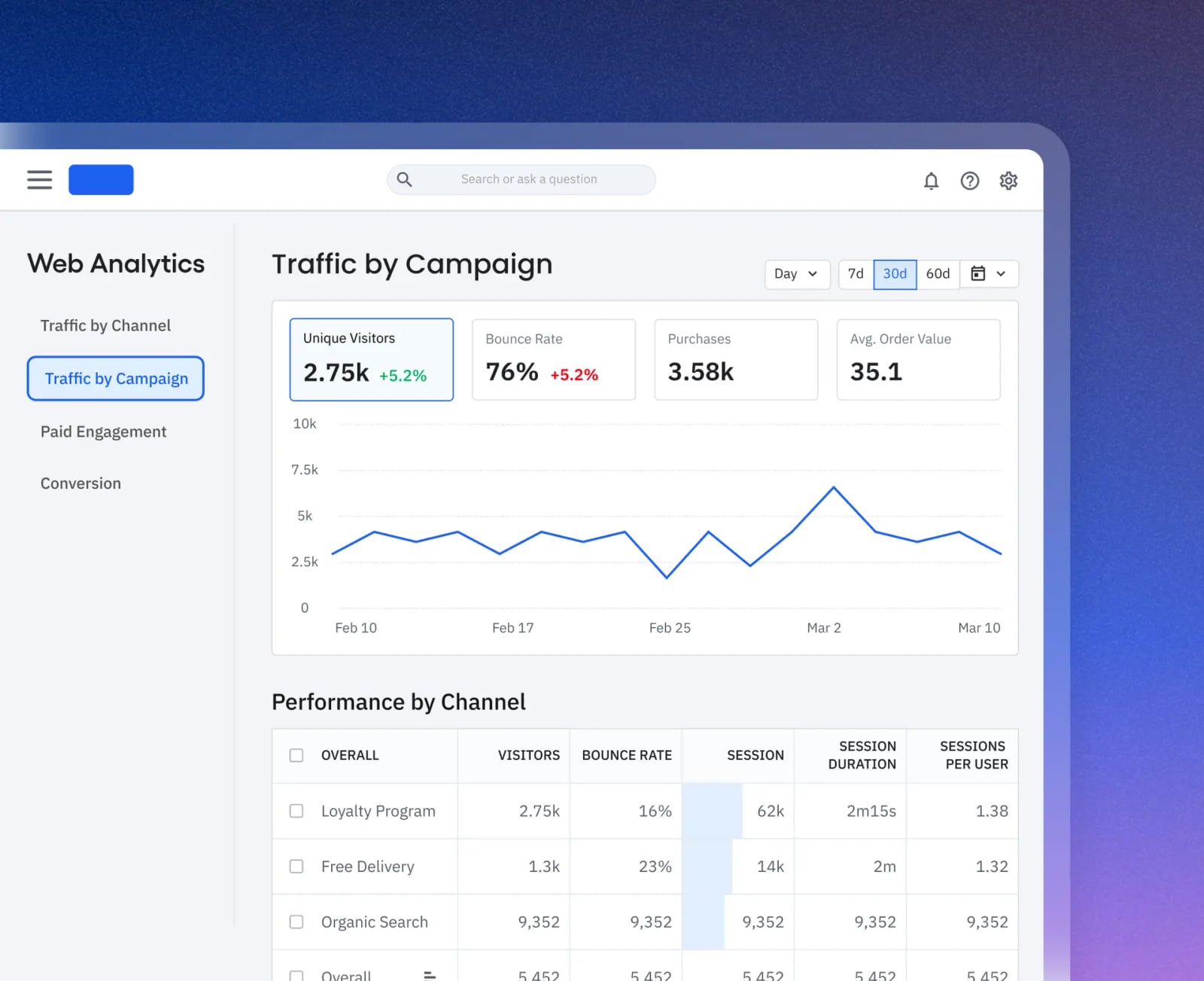
Amplitude product interface.
| Criterion | Data4 | Pirsch | Amplitude |
|---|---|---|---|
| Primary focus | Website traffic and performance analytics | Privacy-friendly, cookie-free web analytics | Product and behavioral analytics |
| Typical user | Website owners, marketers, analysts | Developers, agencies, privacy-conscious teams | Product managers, engineers, data analysts |
| Setup model | Simple website analytics setup | Lightweight script, easy integration | Event tracking and instrumentation |
| Privacy approach | Google Analytics alternative positioning | No personal data collection, GDPR-oriented | Depends on your event and identity design |
| Real-time traffic | Supported | Supported | Supported, event-driven |
| Deep product analytics | Not the core focus | Not the core focus | Core strength |
| Pricing entry | Not specified here | From $6/month for 10,000 page views | Not specified here |
Where Data4 fits
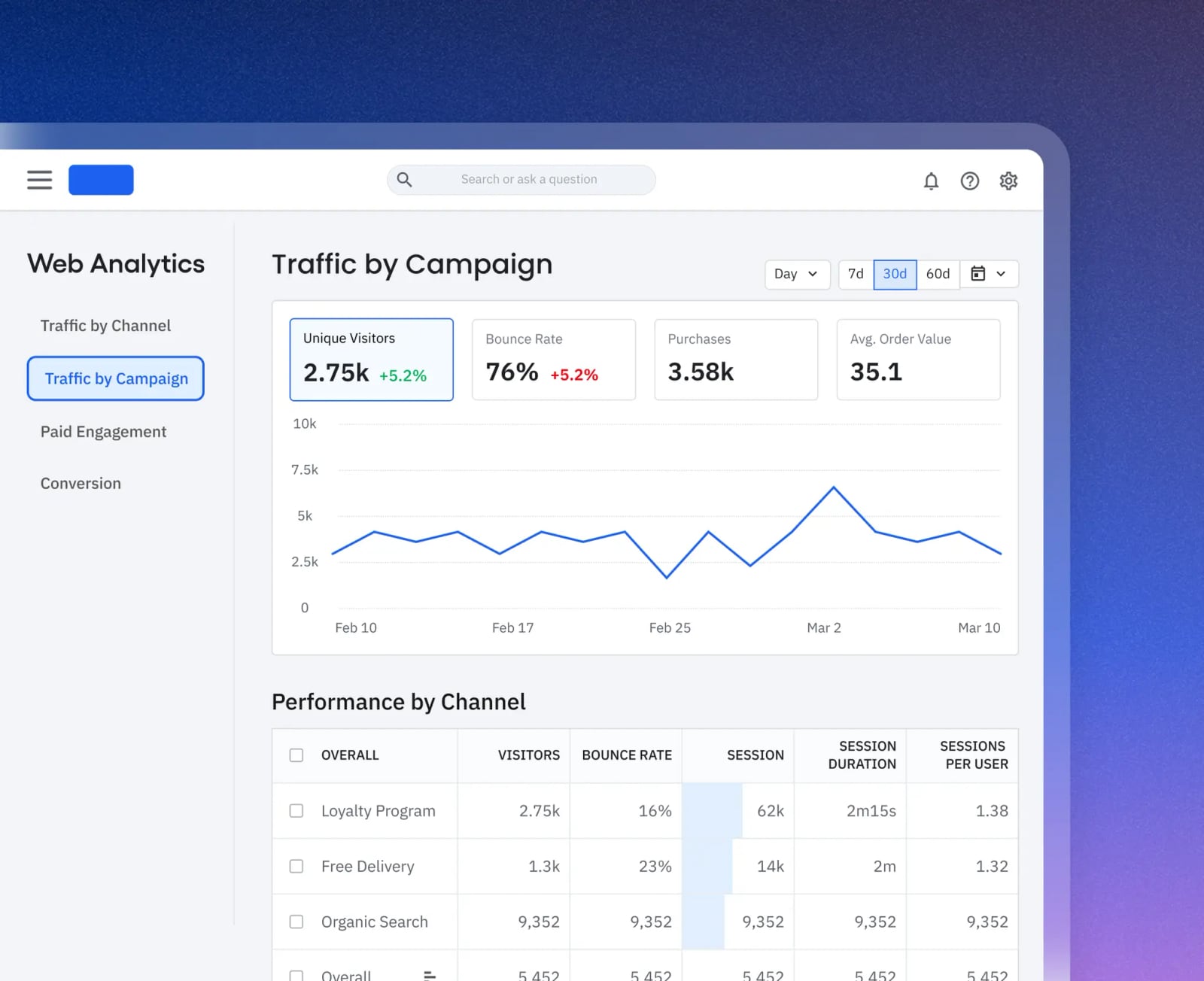
Amplitude product interface.
Data4 is built for people who want to understand website traffic without the complexity of traditional analytics suites. Its stated focus is simplicity, global applicability, and acting as a reliable replacement for Google Analytics.
Strengths worth noting
- Straightforward website analytics. Data4 centers on visitor behavior, traffic sources, and engagement metrics, which is exactly what most site owners need day to day.
- Real-time traffic tracking. You can see what is happening on the site now, not only in yesterday's report.
- Audience segmentation and conversion analysis. Useful for checking whether a campaign brought the right visitors and whether they converted.
- Customizable dashboards. Reports can be shaped around the metrics a team actually reviews.
- Multi-language and multi-domain support. The platform is available in Chinese, English, and Japanese, with domain-specific localization, which matters for international sites.
Where Data4 is not the right pick
If your main goal is deep product analytics, such as cohort retention curves tied to in-app events, or running A/B tests inside the analytics tool, Data4 is not positioned for that. Amplitude is the stronger choice there. If your top priority is an open-source, cookie-free analytics stack with a built-in URL shortener, Pirsch is the more direct fit.
For a closer look at how Data4 compares with other lightweight tools, see Data4 vs Clicky vs Simple Analytics.
Where Pirsch fits
Pirsch is a privacy-friendly, open-source alternative to Google Analytics. It is lightweight, cookie-free, and designed to be integrated into any website or app without collecting personal data.
Strengths worth noting
- Privacy by design. Pirsch provides web analytics without collecting personal data, which helps with compliance under regulations such as GDPR.
- Cookie-free tracking. No cookie banner is required for analytics, which simplifies the visitor experience.
- Open source. Teams that want to inspect or self-host their analytics stack have that option.
- Built-in URL shortener. A small but practical extra for campaigns and link management.
- Clear entry pricing. Plans start at $6 per month for 10,000 page views, with a 30-day free trial that does not require a credit card.
- Audience-specific solutions. Pirsch offers tailored setups for developers, agencies, and enterprises.
Where Pirsch is not the right pick
Pirsch is intentionally focused on web analytics. If you need funnel analysis across many product events, session replay, or experimentation workflows, you will need a different tool. Amplitude covers those areas; Pirsch does not aim to.
Where Amplitude fits
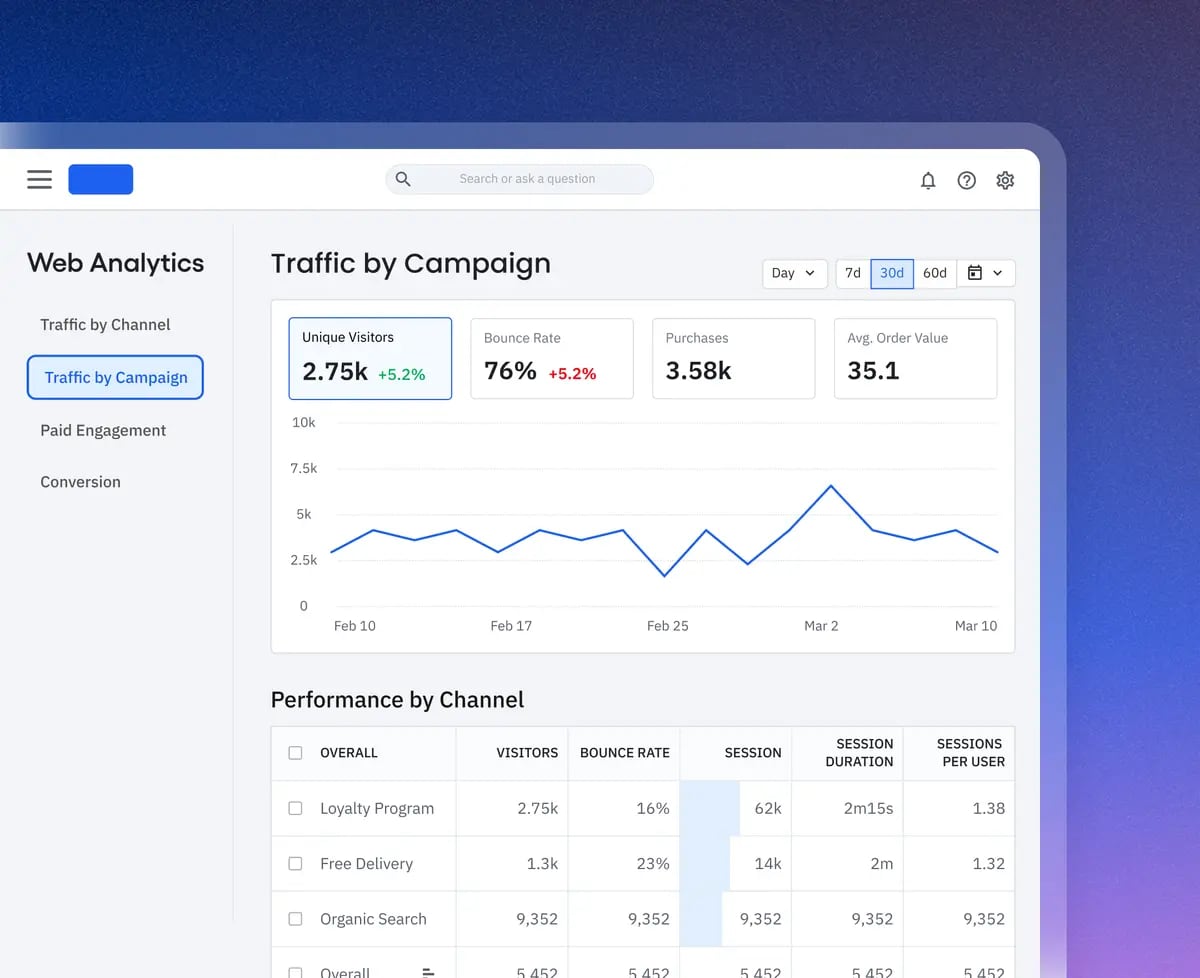
Amplitude product interface.
Amplitude is a comprehensive digital analytics platform for product teams. It helps teams understand user behavior, optimize experiences, and drive growth through behavioral analytics, cohort analysis, funnel analysis, retention analysis, A/B testing, and AI-powered workflows.
Strengths worth noting
- Deep behavioral analytics. Amplitude is built around user actions, friction points, and conversion funnels rather than page views alone.
- Experimentation and session replay. Teams can launch experiments, measure impact, and watch how users actually move through the product.
- AI-driven workflows. Features such as Global Agent and Custom Agents allow natural language querying and cross-tool actions.
- Tool integrations. Connectors for tools like Slack, Jira, and GitHub via MCP let insights flow into the places teams already work.
- Retention and cohort analysis. This is where Amplitude earns its place for product-led teams tracking adoption and revenue.
Where Amplitude is not the right pick
Amplitude is heavier than a website analytics tool. It expects event tracking and instrumentation, which takes engineering time. If you only need traffic sources, top pages, and referral data, Amplitude is more platform than the job requires. For a broader view of how it stacks up against other tools, see PostHog versus alternatives.
How to choose between Data4, Pirsch, and Amplitude
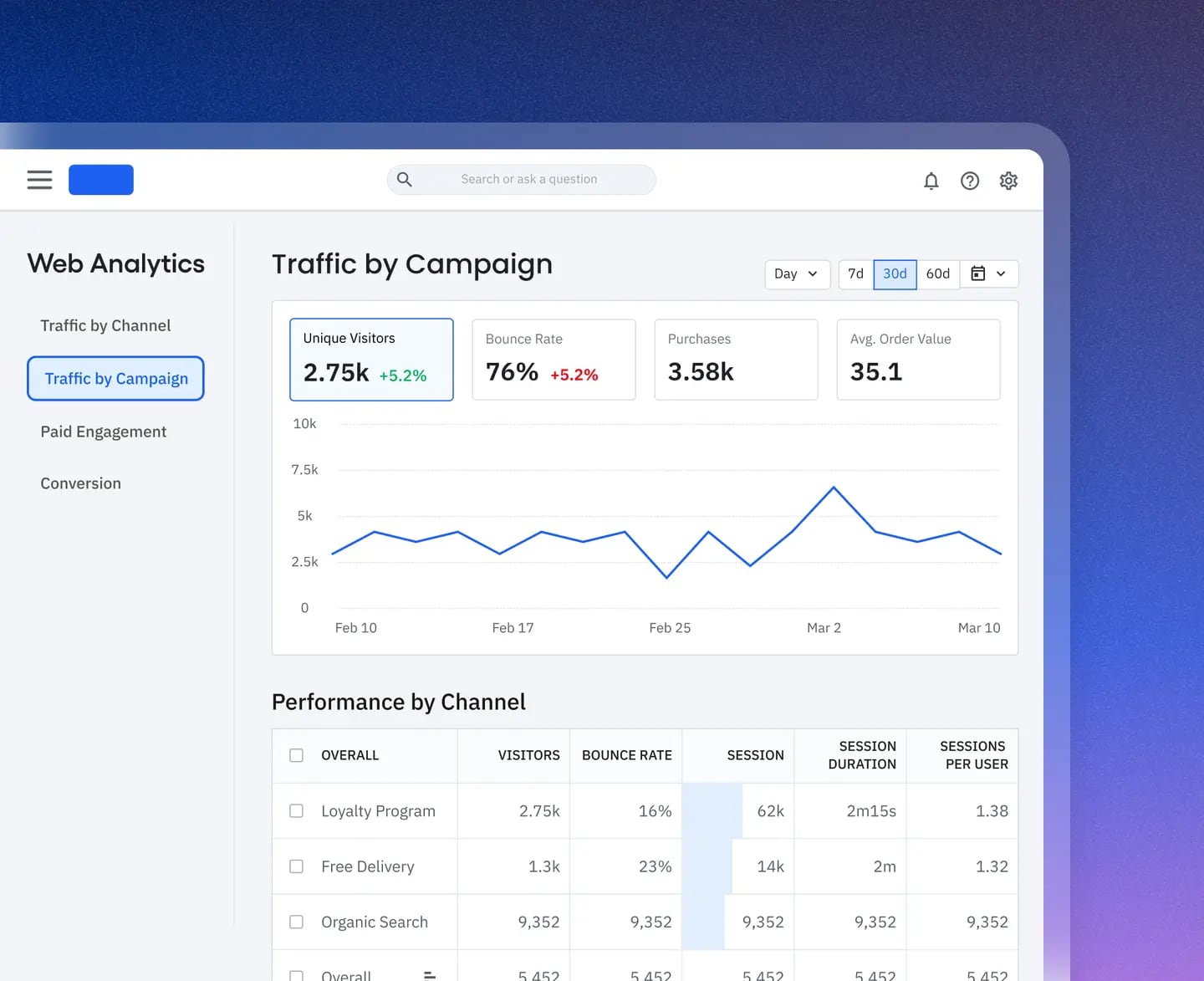
Amplitude product interface.
Choose Data4 if:
- You want a simple, efficient website analytics platform and a credible Google Analytics alternative.
- Your questions are about traffic, sources, engagement, and conversions on a website.
- You run an international or multi-domain site and value multi-language support.
- You want real-time tracking and customizable dashboards without a heavy implementation.
Choose Pirsch if:
- Privacy and GDPR compliance are the deciding factors.
- You want cookie-free analytics with no personal data collection.
- You prefer open-source software and may want to self-host.
- You want a low entry price and a built-in URL shortener.
Choose Amplitude if:
- You are a product team tracking in-app behavior, funnels, and retention.
- You need experimentation, session replay, and AI-assisted analysis.
- You want insights pushed into Slack, Jira, or GitHub through connectors.
- You have the engineering capacity to instrument events properly.
Practical examples
A marketing site tracking campaign performance. Data4 fits well here: traffic sources, landing page engagement, and conversion analysis answer the core questions without extra instrumentation.
An agency running sites for privacy-sensitive clients. Pirsch is a natural fit because cookie-free, GDPR-oriented analytics reduces consent friction and keeps reporting simple.
A SaaS product improving onboarding. Amplitude is the right tool: funnel analysis shows where new users drop off, cohort analysis shows whether fixes improve retention, and experiments measure the impact.
If your work centers on conversion paths, the principles in this funnel analysis guide apply regardless of which tool you use.
Related reading
- Highly Configurable Hit Counter: Setup, Options & Best Tools - Learn what makes a hit counter highly configurable, compare display and tracking options, and choose the right setup for your site in 2026.
- Data4 vs Statcounter vs KISSmetrics: 2026 Analytics Comparison - Compare Data4, Statcounter, and KISSmetrics on setup, real-time tracking, reporting depth, and pricing to choose the right website analytics tool.
Sources and further reading
- Even Connect · 1000 connections, zero middleman - Connect your AI agents to 564+ services (Stripe, Slack, Notion, Cloudflare, Linear, and more) with keys that never leave your machine. One MCP, a few meta-tools, no context bloat. Search the full catalog.
- AdguardFilters/SpywareFilter/sections/tracking_servers.txt at master · AdguardTeam/AdguardFilters - AdGuard Content Blocking Filters. Contribute to AdguardTeam/AdguardFilters development by creating an account on GitHub.
- K-Band - an overview | ScienceDirect Topics - A device that detects a modulated signal and produces a dc output signal whose amplitude varies in accordance with the modulation. In radio facsimile ...
FAQ
Is Data4 a good Google Analytics alternative?
Yes, for website analytics. Data4 positions itself as a simple, efficient, globally applicable alternative to Google Analytics, focused on traffic, engagement, and conversion insights rather than deep product instrumentation.
Is Pirsch really cookie-free?
Yes. Pirsch is described as cookie-free and does not collect personal data, which is why it is often chosen for GDPR compliance.
Can Amplitude replace a website analytics tool?
It can, but it is usually overkill for pure website traffic reporting. Amplitude is designed for product analytics, so it expects event tracking and rewards teams that need behavioral, retention, and experimentation insight.
Which tool is cheapest to start with?
Pirsch publishes a clear entry price of $6 per month for 10,000 page views, with a 30-day free trial and no credit card required. Pricing for Data4 and Amplitude is not specified here, so check their current plans directly.
Can I use more than one of these tools?
Yes. Some teams run a lightweight website analytics tool for traffic reporting alongside a product analytics platform for in-app behavior. The trade-off is cost and the effort of maintaining two tracking setups.
Conclusion
Data4, Pirsch, and Amplitude are not really competing for the same job. Data4 is the straightforward website analytics choice, especially for teams that want a simple Google Analytics alternative with real-time tracking and multi-language, multi-domain support. Pirsch wins on privacy, openness, and price transparency for cookie-free web analytics. Amplitude wins on depth for product teams that need behavioral analytics, retention, experimentation, and AI-driven workflows.
Pick based on the questions you need to answer: traffic and conversions (Data4), privacy-first web measurement (Pirsch), or in-product behavior and growth (Amplitude).