
Piwik PRO vs Matomo: Which Analytics Platform Fits Your Team?
Piwik PRO and Matomo share a common origin — both trace back to the original Piwik project — but they have evolved into very different products. One is an enterprise suite built around compliance workflows; the other is a flexible platform with a free self-hosted option. Choosing between them depends less on feature checklists and more on how much tooling your team actually needs.
This comparison breaks down the real differences in hosting, privacy, reporting, and pricing, then helps you decide whether either platform is the right fit — or whether a simpler website analytics tool covers your needs.
The short version
Piwik PRO vs Matomo: Which Analytics Platform Fits? - The short version.
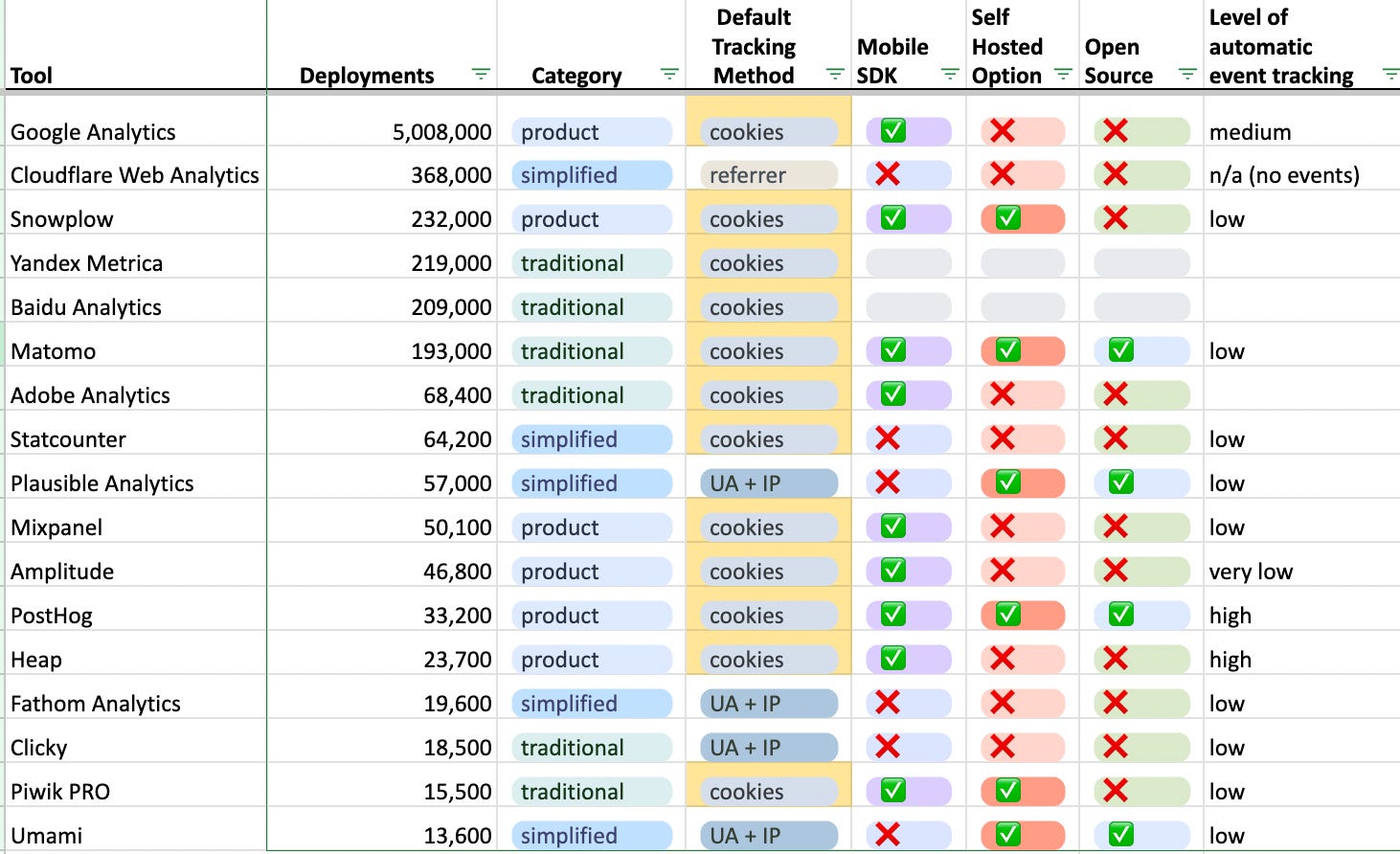
- Matomo offers a free on-premise (self-hosted) edition, open-source code, and a cloud option. It suits teams that want full data ownership and are willing to manage infrastructure.
- Piwik PRO is a cloud-only enterprise platform that bundles analytics with a tag manager, consent manager, and customer data platform. It suits organizations with dedicated analytics and procurement resources.
- Neither is the lightest option if you only need pageviews, sources, and conversions. Focused tools like Data4 can deliver those answers in minutes without an implementation project.
Hosting: self-hosted freedom vs cloud-only enterprise

Piwik PRO vs Matomo: Which Analytics Platform Fits? - Hosting: self-hosted freedom vs cloud-only enterprise.
The biggest structural difference is where the software runs.
Matomo supports three deployment paths:
- On-premise (self-hosted): free to install, with premium features available at additional cost. You manage servers, updates, and backups.
- Public cloud: EU infrastructure with a freemium tier.
- Private cloud: premium hosting across 60+ Azure and AWS regions.
Piwik PRO no longer offers on-premise hosting. It runs exclusively in the cloud, with EU-hosted infrastructure and enterprise deployment options.
What this means in practice: if your organization has a hard requirement to keep analytics data on its own servers, Matomo is the only one of the two that can meet it. If you prefer a fully managed service and don't want to run infrastructure, both work — but Piwik PRO's model assumes a managed enterprise setup.
Privacy and compliance: two paths to GDPR
Piwik PRO vs Matomo: Which Analytics Platform Fits? - Privacy and compliance: two paths to GDPR.
Both platforms are fully GDPR-compliant and support cookieless tracking and consent-free configurations. The difference is in how much control you get and how much configuration the compliance depends on.
- Matomo gives you 100% data ownership, advanced privacy controls, a GDPR manager, and a consent-free tracking option. Because self-hosting is possible, data never has to leave your environment.
- Piwik PRO builds compliance into a broader stack: a consent manager, tag manager, and customer data platform are part of the platform. This is valuable for organizations that need consent workflows across many properties.
For a deeper look at privacy-first options, see this comparison of Data4 vs Plausible Analytics vs Simple Analytics.
Key trade-off: Piwik PRO's compliance strength is its bundled tooling. Matomo's is its deployment flexibility. If you don't need consent management or a CDP, you may be paying for compliance infrastructure you'll never configure.
Reporting and analytics depth
This is where the two products diverge most sharply, and where vendor comparisons tend to get heated. Here's a neutral summary of the documented differences.
Dashboards and customization
Piwik PRO allows heavy customization: you can resize and rearrange widgets freely, build dashboards from individual metrics and KPIs, and attach filters or segments to single widgets rather than the whole dashboard. Matomo's dashboards use fixed layout templates and pre-built widget bundles, with less granular control.
Funnels and user flows
Piwik PRO includes funnel analytics and user flow reports as standard features in its Business and Enterprise plans. Its funnels are retroactive (they show historical data), flexible, and filterable. Matomo offers funnels and user flows as paid plugins or as part of cloud plans, with more constraints — for example, funnels based on page URLs and goals, and historical data requiring reprocessing.
Attribution
Both platforms provide multi-channel attribution. Matomo makes these tools available as paid plugins and limits custom attribution models and custom channel grouping. Piwik PRO includes custom attribution models, custom reports, and channel grouping in conversion path reports.
Data access
Matomo provides full access to raw data via API, SQL, and a BigQuery/data warehouse exporter. Piwik PRO offers API access and enterprise integrations. If raw data extraction is central to your workflow, Matomo's SQL access is a meaningful advantage.
Integrations
Matomo integrates with Google Ads, Microsoft Ads, Yandex Ads, Google Search Console, Bing and Yahoo search consoles, and the wider Google Marketing Platform. Piwik PRO emphasizes its own tag manager and CDP ecosystem for data collection and activation.
If you're weighing analytics platforms more broadly, this roundup of Fathom Analytics alternatives covers the privacy-friendly end of the market.
Pricing and total cost of ownership
The sticker price rarely tells the full story here.
- Matomo: free self-hosted edition (you pay for hosting and maintenance), plus cloud plans with premium features. Predictable for teams with technical resources.
- Piwik PRO: enterprise pricing with procurement, legal review, and internal alignment often required. The platform is priced for organizations that will use the full stack.
Hidden costs to consider on both sides:
- Implementation and onboarding time (weeks or longer for enterprise rollouts)
- Ongoing administration — especially for self-hosted Matomo
- Training so non-specialists can read the reports
- Plugin or add-on purchases for features like funnels and attribution
For a framework on tying analytics spend to marketing outcomes, see this guide to campaign effectiveness measurement.
When a simpler tool is the better answer
Both Piwik PRO and Matomo are capable platforms — but capability is not the same as fit. Many teams adopt an enterprise analytics suite and then use a fraction of it: pageviews, traffic sources, top pages, devices, and a handful of conversion events.
If that describes your needs, a focused website analytics platform is often faster to adopt and easier to keep using. Data4, for example, is built around exactly that use case: real-time traffic tracking, audience segmentation, conversion analysis, and customizable dashboards, with multi-language and multi-domain support for international teams. It positions itself as a straightforward Google Analytics alternative — no tag manager, CDP, or consent stack required.
A practical rule of thumb:
- Choose Matomo if you need self-hosting, open-source code, SQL-level data access, or a free entry point.
- Choose Piwik PRO if you need an enterprise stack with consent management, tag management, and a CDP across many properties — and you have a team to run it.
- Choose a focused tool like Data4 if you mainly need clear website metrics without implementation overhead or procurement.
You can also compare Data4 against product analytics platforms in this breakdown of Data4 vs Amplitude vs Mixpanel.
Related reading
- Simple Analytics vs Alternatives: Which Tool Fits You? - Compare Simple Analytics with Plausible, Seline, Rybbit, and Data4 across privacy, ease of use, reporting depth, and pricing. Find the best fit for your site.
Sources and further reading
- Piwik PRO vs Matomo - Analytics Platform - Matomo - Both Matomo and Piwik PRO are fully GDPR-compliant, support cookieless tracking and offer controls for data security. Learn how thy compare.
- Pillar: Piwik PRO VS. Matomo Comparison - Here we discuss the most important differences between Matomo (Piwik) and Piwik PRO. Read our guide to find out which product better suits your needs.
- Piwik PRO Alternative | Simple Analytics - Most teams don’t need an enterprise analytics platform. Simple Analytics gives you clear website analytics without the complexity, onboarding, or cost of Piwik PRO.
FAQ
Is Piwik PRO the same as Matomo?
No. Both descend from the original Piwik open-source project, but they are now separate products from separate companies. Matomo offers a free self-hosted edition and open-source code; Piwik PRO is a cloud-only enterprise platform bundling analytics, tag management, consent management, and a CDP.
Which is better for GDPR compliance?
Both are fully GDPR-compliant and support cookieless tracking. Matomo's advantage is data ownership through self-hosting. Piwik PRO's advantage is built-in consent and compliance tooling across multiple properties. The right choice depends on whether your compliance model relies on infrastructure control or on configuration workflows.
Does Piwik PRO offer on-premise hosting?
No. Piwik PRO no longer provides on-premise hosting. Matomo is the only one of the two with a free self-hosted option.
Can I use either platform without cookies?
Yes. Both support cookieless tracking and consent-free configurations. The exact setup and consent implications depend on your configuration and jurisdiction.
What is the best Piwik PRO alternative for small teams?
If you don't need enterprise tooling, a focused website analytics platform is usually the better fit. Data4, Plausible, and Simple Analytics are common choices for teams that want clear traffic and conversion metrics without onboarding projects or procurement.
How long does implementation take?
Enterprise rollouts of Piwik PRO or self-hosted Matomo can take weeks or longer, including scoping, alignment, and configuration. Lightweight analytics tools typically go live in minutes with a single script tag.
Conclusion
Piwik PRO vs Matomo is not a contest with a single winner — it's a question of scope. Matomo wins on deployment freedom, open-source transparency, and raw data access. Piwik PRO wins on bundled enterprise tooling, dashboard flexibility, and built-in funnels and attribution. Both are strong choices for organizations that genuinely need that depth.
If your requirements are simpler — traffic, sources, engagement, and conversions, readable by anyone on the team — start by auditing what you actually use. A focused platform like Data4 may deliver the same answers with far less overhead, and you can always graduate to an enterprise suite when your needs justify it.