
Top 10 Privacy-Focused Web Analytics Software in 2026
Privacy-focused web analytics used to mean one thing: a small script that counted pageviews without cookies. In 2026 the category has split. Some tools still do exactly that, and do it very well. Others now add funnels, session replay, revenue attribution or warehouse-native reporting while keeping cookieless defaults.
That makes choosing harder, not easier. This ranking covers ten products that genuinely belong to the privacy-focused web analytics category, scored on transparent criteria and supported by published evidence rather than marketing claims.
How this ranking was evaluated

Top 10 Privacy-Focused Web Analytics Software 2026 - How this ranking was evaluated.
Every product below was assessed against the same five criteria:
- Privacy architecture — cookieless or consent-free tracking by default, IP handling, EU or self-hosted data residency, and whether a consent banner is realistically avoidable.
- Measurement depth — what the tool can actually answer: traffic only, or also events, goals, funnels, retention and revenue.
- Deployment and data ownership — cloud-only, self-hosted, or both, plus export and API access.
- Operational cost — entry pricing, free tiers, hit or event limits, and how quickly costs scale.
- Evidence quality — documented features, published pricing, compliance statements and third-party recognition.
Rankings are ordered by how well each tool serves the privacy-focused use case overall, not by company size. Products that are primarily product analytics suites or enterprise experience platforms rank lower because their privacy posture is a feature, not the foundation.
The top 10 privacy-focused web analytics tools for 2026

Top 10 Privacy-Focused Web Analytics Software 2026 - The top 10 privacy-focused web analytics tools for 2026.
1. Matomo
Matomo is the most complete privacy-first analytics platform available, and the only one on this list with a formal regulatory endorsement: the French data protection authority CNIL recognises a correctly configured Matomo installation as exempt from consent-banner requirements for audience measurement.
It runs two ways. The On-Premise edition is free with no hit limits on infrastructure you control; Matomo Cloud starts around €22 per month for 50,000 hits with EU hosting in Frankfurt. Cloud plans bundle advanced modules, while self-hosted users buy them as plugins.
Those modules are the differentiator: funnels, heatmaps, session recordings, form analytics and A/B testing sit alongside standard acquisition and conversion reports. Nothing is sampled. Roll-Up Reporting merges multiple properties for agencies and multi-brand groups, and a Google Analytics importer preserves historical data during migration.
Best for: organisations that want full data ownership plus behavioural depth. Watch out for: self-hosting means real maintenance, upgrade and scaling work.
2. Plausible Analytics
Plausible is the reference implementation of the lightweight privacy-first dashboard. Visitors, sources, top pages, locations and devices fit on a single screen, with no report builder to learn.
The tracking script is roughly 1 kB, and Plausible estimates that a site with 100,000 monthly visitors saves around 4 kg of CO₂ per year compared with heavier scripts. It operates without cookies or persistent identifiers on EU-owned infrastructure, which typically removes the need for a consent banner. The free tier covers up to 10,000 monthly page views, and a built-in import tool preserves history when you switch.
The company has been independent and profitable since 2018 with no outside investors, which matters if you are choosing a vendor for the long term.
Best for: content sites, marketing teams and startups that want clarity over complexity. Watch out for: no funnels, cohorts or retention analysis.
3. Fathom Analytics
Fathom pairs a single 2 kB script with indefinite data retention — a stated minimum of 20 years — so seasonal comparisons stay possible without a rolling deletion window. It tracks pageviews, custom events such as newsletter signups and purchases, and UTM campaigns.
No cookies are used, which removes consent-banner obligations under GDPR, CCPA, ePrivacy and PECR, and automatic bot filtering keeps counts clean. Weekly or monthly email reports arrive without anyone logging in. Pricing starts at $15 per month after a seven-day trial, and the company remains independently owned.
If you want a closer look at how this class of tool compares with behavioural platforms, the Data4 vs Microsoft Clarity vs Umami comparison walks through the trade-offs between traffic analytics, heatmaps and session recordings.
Best for: creators, SaaS founders and small businesses that want accurate long-horizon data without complexity. Watch out for: reporting depth stops at events and campaigns.
4. Simple Analytics
Simple Analytics measures pageviews, events, referrers and campaigns without cookies or visitor identities. Sessions are derived from page-view context rather than persistent identifiers, so no consent banner is required under GDPR.
Its strongest use case is running alongside Google Analytics 4. When visitors reject a consent prompt, GA4 stops recording; Simple Analytics keeps capturing that traffic independently, giving you a second baseline that does not depend on opt-in rates. Data exports via API feed Looker Studio, Power BI or internal dashboards, and everything is hosted in Europe.
Best for: teams that already use GA4 and want a consent-free independent data source. Watch out for: it is a complement to, not a replacement for, deep behavioural tooling.
5. Umami
Umami is an open-source, self-hostable analytics dashboard covering traffic, events, referrers and campaign data with anonymised collection by default. It has become a common default for developers who want a modern interface without a commercial dependency.
Because it is open source, data ownership is complete and there is no per-hit billing. The trade-off is operational: you run the database, handle upgrades and manage scaling yourself, or pay a managed host.
Best for: developers and small teams that want control and no vendor lock-in. Watch out for: self-hosting overhead and a thinner feature set than Matomo.
6. PostHog
PostHog bundles web analytics with product analytics, session replay, feature flags and A/B testing behind one snippet. The web analytics module covers pageviews, sessions, referrers and UTM campaigns, while event autocapture and funnel and retention reporting go considerably deeper than most privacy-first tools.
Its open-source core and self-hosting option give teams full data ownership, and privacy controls support compliance workflows. Cloud pricing rises quickly at higher event volumes, and self-hosting carries genuine infrastructure cost.
Best for: product and engineering teams that need behavioural depth with privacy controls. Watch out for: it is a product analytics suite first, so web reporting can feel secondary.
7. Vercel Web Analytics
Vercel Web Analytics is built into the Vercel platform and covers traffic reporting, pageview tracking and custom events with no extra script management. For teams already deploying on Vercel, setup is effectively zero.
Privacy is handled at the platform level, and there is no separate analytics vendor to vet. The obvious constraint is portability: the value depends entirely on staying on Vercel, and reporting depth is intentionally modest.
Best for: teams already on Vercel that want simple traffic and event data without extra setup. Watch out for: ecosystem lock-in and limited analysis depth.
8. Counter
Counter tracks three things and nothing more: daily unique visitors, referrer sources and visitor geography. The interface reflects that scope exactly.
The project is fully open source under AGPL-v3, uses no cookies, no IP fingerprinting and no logging, and runs on a pay-what-you-want model with no feature gating or upsell. For a blog or side project, that combination is hard to beat on principle and price.
Best for: developers, bloggers and side-project owners who want basic counts with no recurring fees. Watch out for: no events, funnels or campaign reporting.
9. TelemetryDeck
TelemetryDeck is built mainly for apps and digital products rather than websites, tracking usage, engagement and retention with a deliberately lightweight, privacy-preserving setup. Event tracking and retention insights are its core strengths, and onboarding is quick.
If your measurement problem is app usage rather than web traffic, it belongs on your shortlist. If it is a marketing website, look higher up this list.
Best for: app and product teams that want lightweight usage analytics. Watch out for: limited website-specific reporting.
10. Mitzu
Mitzu is warehouse-native: it analyses product, marketing and revenue data directly from your own data warehouse using SQL-based exploration and KPI tracking. Because the data never leaves your stack, privacy and ownership are structural rather than policy-based.
The requirement is a warehouse and the data engineering capacity to model events properly. That makes it a fit for data-mature organisations and a poor fit for a marketing team that wants a dashboard today.
Best for: data-driven teams that already run a warehouse. Watch out for: it is not a plug-and-play traffic dashboard.
How to choose between them
Work backwards from the question you need answered.
- "How many people visited, and where did they come from?" Plausible, Fathom, Counter or Vercel Web Analytics will answer it in minutes.
- "Which campaign or page actually drove signups?" You need events and goals — Fathom, Simple Analytics or Umami.
- "Where exactly do visitors drop off?" You need funnels and retention — Matomo or PostHog.
- "Can we prove no personal data leaves our infrastructure?" Self-hosted Matomo, Umami or warehouse-native Mitzu.
- "We already run GA4 and want an independent baseline." Simple Analytics is purpose-built for that pairing.
Two practical checks before you commit. First, confirm whether the vendor's consent-free claim depends on specific configuration — Matomo's CNIL recognition, for example, applies only when set up correctly. Second, test the export path: an API or warehouse feed protects you from being unable to answer a question the dashboard never anticipated.
If your privacy requirement extends beyond measurement into tag governance, the privacy-focused analytics and tag management platform roundup covers that adjacent layer. And if your team needs to connect performance signals with behavioural data, the experience monitoring guide explains how the two layers work together.
Where a simpler analytics platform fits
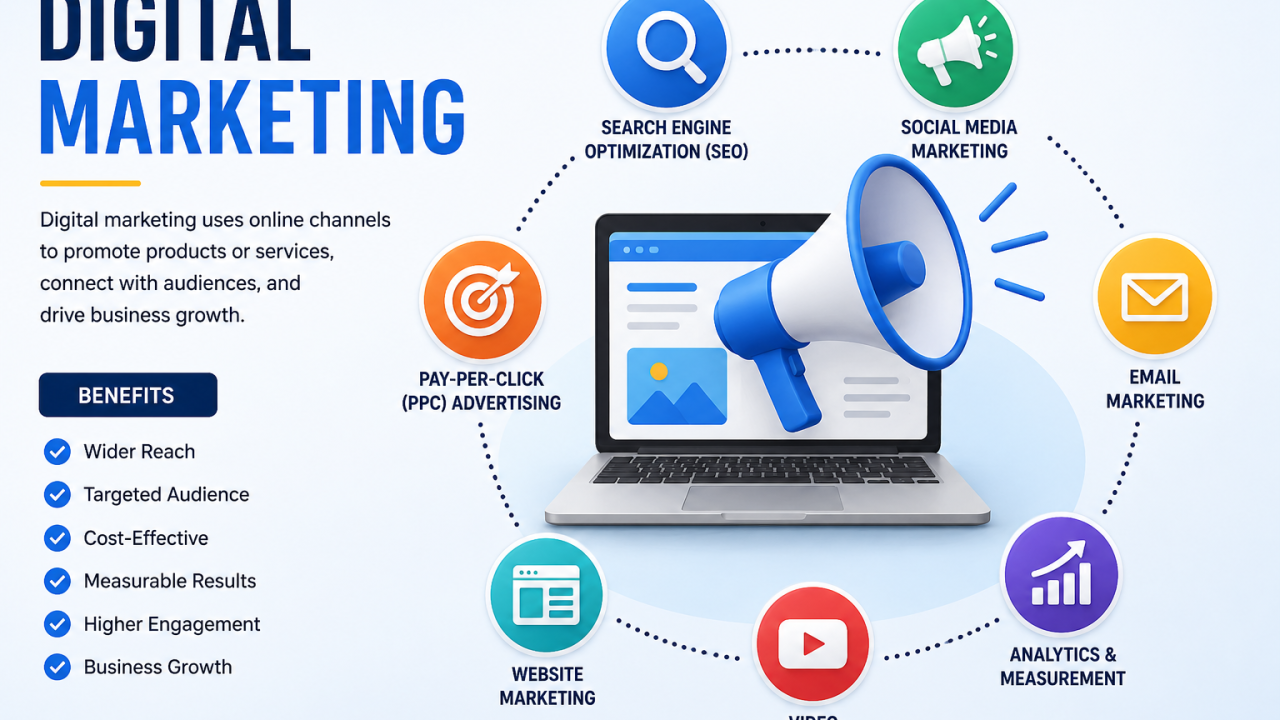
Top 10 Privacy-Focused Web Analytics Software 2026 - Where a simpler analytics platform fits.
Not every team needs the depth of Matomo or the developer orientation of PostHog. Some just want traffic tracking, audience analysis and customisable reporting in a lightweight interface — which is the space Data4 occupies. It is a website analytics platform positioned as a straightforward Google Analytics alternative for marketers, site owners and analysts, with real-time traffic tracking and reporting as its core capabilities.
It is not ranked here because it is not a privacy-focused analytics product in the sense this list measures. But if your priority is ease of use over consent-free architecture, it is a reasonable option to evaluate alongside the lighter tools above. For a direct comparison of open-source alternatives, see Data4 vs GoatCounter, which covers setup, privacy and reporting depth side by side.
Related reading
- Data4 vs Microsoft Clarity: Heatmaps, Replays & Analytics - Compare Data4 and Microsoft Clarity on heatmaps, session recordings, traffic analytics, privacy, and reporting depth to choose the right tool for your site.
- GoatCounter Review: Open Source Web Analytics in 2026 - Evidence-based GoatCounter review: cookieless tracking, 3.2 KB script, free non-commercial hosting, self-hosting, limits, pricing, and who should choose it.
Sources and further reading
- 10 Best Web Analytics Tools in 2026 - Compare the 10 best web analytics tools for 2026, with features, pricing, and free-tier limits for startups and developer teams.
- 8 Best Free Web Analytics Tools in 2026 - You just launched a new landing page, traffic is climbing, and now you need to understand what visitors actually do once they arrive. Picking an analytics tool means weighing privacy regulations, data ownership, feature depth and long-term cost against each other, often with incomplete information. Most tools in this space share a core promise (visitor...
- 10 privacy-first analytics tools worth exploring in 2026 - This article explains what privacy-first analytics tools are, why they matter as privacy regulations and browser restrictions evolve, and how they differ from traditional analytics. It compares ten privacy-first analytics platforms by primary use case, then outlines practical criteria for choosing a tool based on reporting needs, privacy approach, data durability, and ease of use.
Frequently asked questions
Do privacy-focused analytics tools still need a cookie banner?
Usually not, if they genuinely avoid cookies and persistent identifiers. Plausible, Fathom, Simple Analytics and Counter all operate without cookies. Matomo's consent exemption depends on correct configuration and jurisdiction. Always confirm the specific legal basis with your own adviser rather than relying on vendor marketing.
Is open source always more private?
No. Open source guarantees you can inspect and host the code, which is a strong ownership advantage. It does not guarantee that a hosted version of the same product handles data the way you expect. Check the hosting configuration, not just the licence.
Can a privacy-first tool replace Google Analytics entirely?
For traffic, acquisition and goal reporting, yes — Plausible, Fathom and Matomo cover those needs. You lose native Google Ads and Search Console integration, and you lose the free tier. Many teams run a privacy-first tool as their primary source and keep GA4 only where ad attribution genuinely requires it.
How accurate are cookieless analytics compared with cookie-based tools?
Cookieless tools typically report slightly lower session counts because they cannot stitch visits across devices, but they are less affected by consent rejection and ad blockers. Fathom's ad-blocker resilience and Simple Analytics' consent-free capture both aim at this gap. Expect different numbers, not wrong numbers.
What is the cheapest genuinely usable option?
Counter is free on a pay-what-you-want basis with no feature gating. Plausible's free tier covers 10,000 monthly page views, and self-hosted Matomo and Umami are free apart from infrastructure. Paid plans generally start around $15 per month.
Conclusion
Matomo leads this ranking because it combines regulatory recognition, unsampled data and behavioural depth in one platform. Plausible and Fathom follow for teams that value speed and simplicity over analysis. Below them, the right pick depends almost entirely on one question: do you need to know how many people came, or what they did next?
Answer that first, verify the consent and data-residency claims against your own legal context, and the shortlist usually collapses to two or three tools within an afternoon.