
How to Track Marketing Campaign Performance
Tracking marketing campaign performance is the difference between guessing what works and knowing it. Without a clear measurement system, you risk pouring budget into channels that look busy but deliver little value. This guide walks through a practical framework for measuring campaigns, choosing the right metrics, setting up attribution, and using the resulting data to make smarter decisions.
Why Campaign Tracking Matters More Than Ever

How to Track Marketing Campaign Performance in 2025 - Why Campaign Tracking Matters More Than Ever.
Every marketing dollar is under scrutiny. Stakeholders want proof that spend translates into revenue, not just impressions. Campaign analytics connects your activity to business outcomes such as revenue, retention, and customer lifetime value. When you link acquisition data to what users do after they arrive, you can identify which campaigns attract high-quality, engaged users and which ones bring in people who quickly churn.
A campaign might generate a high volume of sign-ups, but deeper analysis could reveal that those users have a much lower activation rate than users from another channel. That insight lets you focus on what is truly working rather than what merely generates initial interest.
Define What Success Looks Like Before You Launch

How to Track Marketing Campaign Performance in 2025 - Define What Success Looks Like Before You Launch.
The most common tracking failure is retrofitting goals after a campaign ends. Define success criteria upfront. Ask:
- Is this campaign designed to drive awareness, leads, sales, or retention?
- What specific number represents success for each goal?
- Which audience segments should this campaign reach?
- What is the maximum acceptable cost per acquisition?
When goals are explicit, tracking becomes a matter of comparing actuals against targets rather than interpreting vague trends.
Core Metrics for Campaign Performance
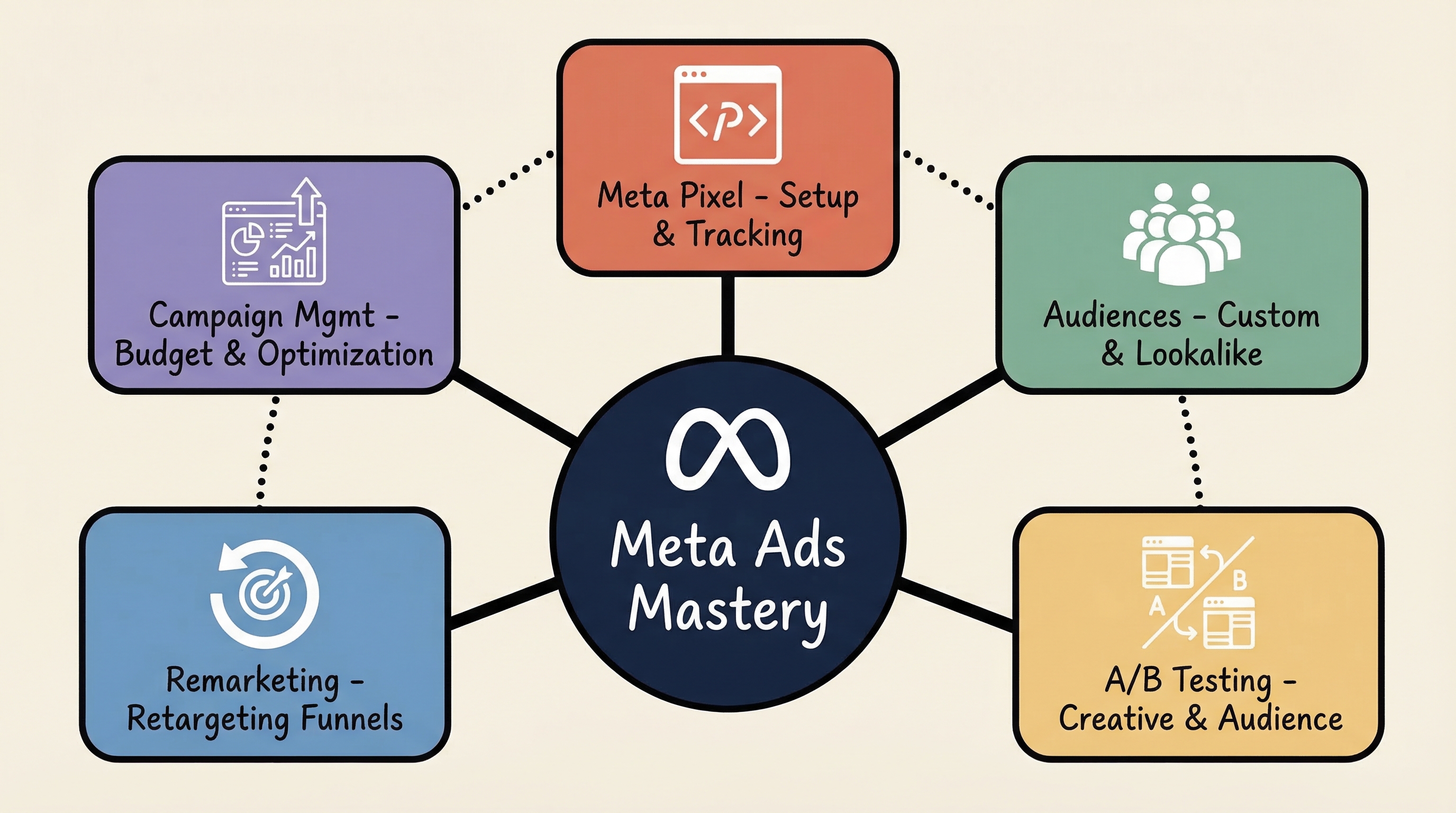
How to Track Marketing Campaign Performance in 2025 - Core Metrics for Campaign Performance.
Different campaign types require different metrics. Here is a breakdown by objective.
Awareness Campaigns
- Impressions and reach
- Click-through rate
- Brand search volume lift
- New visitor sessions
Lead Generation Campaigns
- Cost per lead
- Lead-to-customer conversion rate
- Lead quality score
- Form completion rate
Sales and Revenue Campaigns
- Return on ad spend
- Cost per acquisition
- Average order value
- Revenue per visitor
Retention and Engagement Campaigns
- Repeat purchase rate
- Churn rate among campaign-acquired users
- Customer lifetime value
- Activation rate
A common mistake is tracking only top-of-funnel metrics like clicks and impressions. Those numbers tell you whether people saw your message, not whether the campaign created business value. Pair them with downstream metrics that reflect real outcomes.
Set Up Tracking Infrastructure Correctly
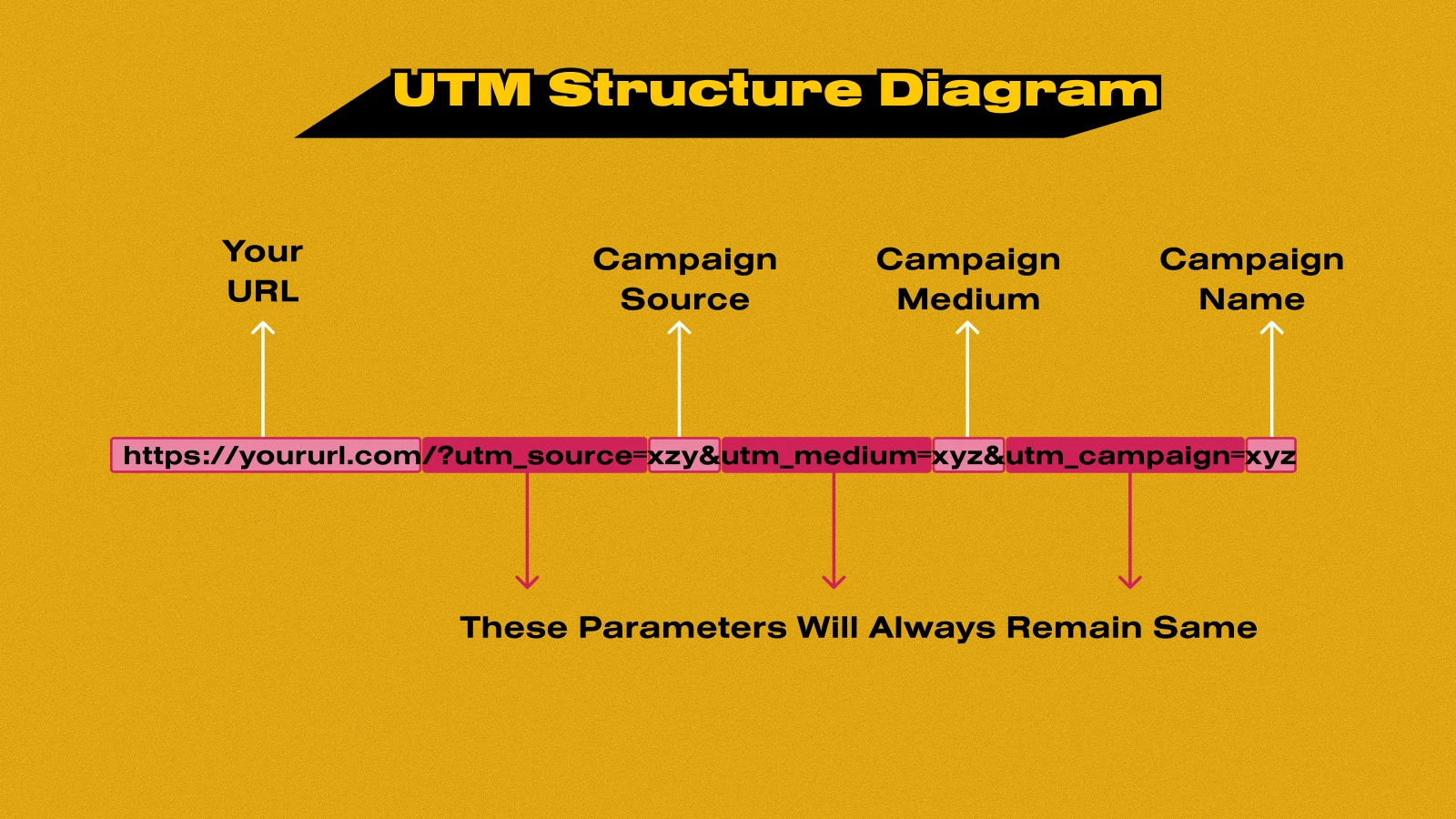
How to Track Marketing Campaign Performance in 2025 - Set Up Tracking Infrastructure Correctly.
UTM Parameters
UTM parameters are the foundation of campaign tracking. They tag URLs so your analytics platform can identify the source, medium, campaign name, term, and content of each visit. Use a consistent naming convention. For example, always use lowercase campaign names and avoid spaces. Inconsistent UTM tagging creates fragmented data that is difficult to aggregate.
Conversion Events
Define the key actions you want users to take: form submissions, purchases, sign-ups, downloads, or demo requests. Each conversion event should fire reliably and map to a specific campaign goal. If you are running an e-commerce campaign, make sure your conversion tracking captures not just the purchase but also the order value. See the e-commerce conversion tracking guide for a detailed walkthrough.
Attribution Windows and Models
Attribution determines which touchpoint gets credit for a conversion. Common models include:
- First touch: credits the first interaction
- Last touch: credits the final interaction before conversion
- Linear: spreads credit evenly across all touchpoints
- Time decay: gives more credit to touchpoints closer to conversion
Choose a model that matches your sales cycle. Short cycles with immediate purchases may work well with last touch. Longer B2B cycles with multiple touchpoints benefit from linear or time decay models. Document your choice so reporting stays consistent over time.
Build a Campaign Dashboard That Answers Key Questions
A useful dashboard does not just display numbers. It answers specific questions:
- How much did we spend, and what did we get back?
- Which channels delivered the highest-quality users?
- What happened after the click?
- How does this campaign compare to previous ones?
Structure your dashboard around these questions rather than around whatever metrics your tools export by default. Include both leading indicators, such as click-through rate, and lagging indicators, such as revenue per visitor.
For website-focused campaigns, a platform like Data4 can simplify this process. Data4 is a website analytics platform designed to track and analyze traffic and performance without the complexity of traditional analytics tools. It provides real-time traffic tracking, audience segmentation, and conversion analysis, which makes it a practical option for marketers who want to monitor campaign-driven visits and understand visitor behavior. Its focus on simplicity and actionable insights means you spend less time configuring reports and more time acting on them.
Compare Campaigns Across Channels
Cross-channel comparison is where many teams struggle. Meta reports conversions differently than Google Ads, and email platforms measure engagement differently than social platforms. To compare fairly, normalize your data around shared metrics:
- Cost per acquisition
- Revenue per visitor
- Conversion rate
- Return on ad spend
Pull data from each platform into a single view, or use a website analytics tool that captures post-click behavior consistently across all sources. This lets you evaluate a Meta campaign and a Google Ads campaign on the same terms.
Analyze Post-Click Behavior
Clicks are not outcomes. The real value of campaign tracking comes from understanding what users do after they land on your site. Key post-click questions:
- Do users from this campaign bounce immediately or explore multiple pages?
- Which landing pages convert best for each campaign?
- Do campaign-acquired users return later, even if they do not convert immediately?
- What is the activation rate for users from this campaign compared to organic traffic?
A campaign that brings in high traffic but low engagement may need landing page improvements, not more budget. Conversely, a lower-traffic campaign with high engagement and conversion rates deserves more investment.
Use Cohort Analysis to Measure Long-Term Value
Single-session metrics miss the full picture. Cohort analysis groups users by the campaign that acquired them and tracks their behavior over time. This reveals:
- Retention rates for campaign-acquired users at 7, 30, and 90 days
- Average revenue generated per cohort over time
- Which campaigns produce users who become repeat customers
This approach directly links acquisition to customer lifetime value, which is the metric that ultimately determines whether a campaign was profitable. A campaign with a high cost per acquisition can still be a good investment if those users have high lifetime value.
Common Tracking Mistakes to Avoid
Tracking Too Many Metrics
More data is not always better. Focus on the five to seven metrics that directly reflect your campaign goals. Everything else is noise.
Ignoring Data Quality
Broken tracking codes, inconsistent UTM parameters, and duplicate conversion events corrupt your data. Audit your tracking setup regularly. A monthly check of your most important conversion events catches issues before they distort decisions.
Optimizing for Vanity Metrics
Impressions, likes, and page views feel good but do not pay bills. Always tie reporting back to revenue or another business outcome.
Changing Attribution Models Mid-Campaign
Switching from last touch to first touch halfway through a campaign makes before-and-after comparisons meaningless. Pick a model and stick with it for the campaign duration.
Treating All Conversions Equally
A newsletter sign-up is not the same as a product purchase. Weight conversions by their business value, or track them separately.
Choosing the Right Tools for Campaign Tracking
Your tool stack should match your team's sophistication and needs. Options range from full marketing suites to lightweight analytics platforms.
Full Marketing Suites
Platforms like HubSpot offer campaign tools that associate assets, track influenced contacts, and report on revenue attribution. These are powerful but require setup investment and often come with subscription tiers that gate advanced features. HubSpot's campaign analysis documentation shows the depth available, including ROI reports, revenue attribution, and asset-level performance.
Product and Behavioral Analytics
Tools like Amplitude connect campaign data to product usage, revealing which campaigns attract users who activate and retain. Amplitude's guide to marketing campaign analytics emphasizes linking acquisition to customer lifetime value rather than stopping at initial conversion.
Website Analytics Platforms
For teams that need clear, actionable traffic and conversion data without enterprise complexity, dedicated website analytics platforms are a strong fit. Data4 positions itself as a simple, efficient alternative to Google Analytics, with real-time traffic tracking, audience segmentation, and customizable dashboards. Its multi-language support and global applicability make it suitable for international teams. If you are evaluating options, comparisons like Data4 vs Amplitude or Data4 vs Heap vs Pirsch can help clarify which tool fits your needs.
A Practical Tracking Workflow
Follow this sequence for every campaign:
- Set goals and KPIs before launch
- Tag all URLs with consistent UTM parameters
- Verify conversion events fire correctly on test visits
- Launch and monitor daily for the first week
- Review weekly against targets and adjust as needed
- Run a post-campaign analysis that includes cohort and lifetime value data
- Document learnings in a shared repository for future campaigns
This workflow turns tracking from a one-time setup task into an ongoing practice that compounds in value.
Related reading
- Visitors Review: Privacy-Friendly Analytics Tested - In-depth Visitors review covering setup, realtime dashboards, revenue attribution, pricing signals, limitations, and who should choose this cookie-free analytics tool.
- Simple Analytics Tutorial: Setup, Dashboard, and Reports - Learn how to use Simple Analytics step by step: install the script, read the dashboard, filter traffic, export reports, and choose the right privacy-friendly tool.
Sources and further reading
- Performance marketers, what's your go-to way to measure, track ... - Sep 16, 2025 ... Measure campaign performance beyond the basic ROAS/CTR/CPA. Track data across platforms like Meta, Google, LinkedIn, etc. Audit campaigns to ...
Frequently Asked Questions
What is the most important metric for tracking campaign performance?
The most important metric depends on your campaign objective. For revenue-focused campaigns, return on ad spend and cost per acquisition matter most. For awareness campaigns, reach and brand lift are primary. Always tie your primary metric to the specific goal you set before launch.
How do I track campaign performance across multiple platforms?
Use consistent UTM parameters across all channels, then aggregate data in a central analytics platform. Normalize metrics like cost per acquisition and conversion rate so you can compare channels fairly. A website analytics tool that captures post-click behavior consistently helps bridge platform-specific reporting differences.
What is the difference between first-touch and last-touch attribution?
First-touch attribution gives all credit for a conversion to the first interaction a user had with your brand. Last-touch attribution gives all credit to the final interaction before conversion. Neither is universally correct; the right choice depends on your sales cycle length and marketing mix.
How long should I run a campaign before evaluating performance?
Give campaigns enough time to reach statistical significance. For short-cycle campaigns with immediate conversions, two to four weeks may be enough. For longer B2B cycles, you may need one to three months. Avoid making major budget decisions based on the first few days of data.
Can I track campaign performance without a paid analytics tool?
Yes. UTM parameters and free analytics tools can capture basic campaign data. However, as your campaigns scale, a dedicated analytics platform saves time and provides deeper insights such as cohort analysis, audience segmentation, and conversion attribution.
Conclusion
Tracking marketing campaign performance is a discipline, not a one-time project. It requires clear goals, reliable tracking infrastructure, consistent attribution, and a commitment to looking beyond surface-level metrics. When done well, it transforms marketing from a cost center into a measurable driver of business growth. Start with the fundamentals: define success, tag your URLs, verify your conversions, and build a dashboard that answers real business questions. The insights you gain will make every subsequent campaign smarter.
For more on setting up conversion tracking correctly, see the e-commerce conversion tracking guide. If you are comparing analytics platforms for campaign measurement, the Data4 vs Woopra comparison offers a useful side-by-side view.